Introduction
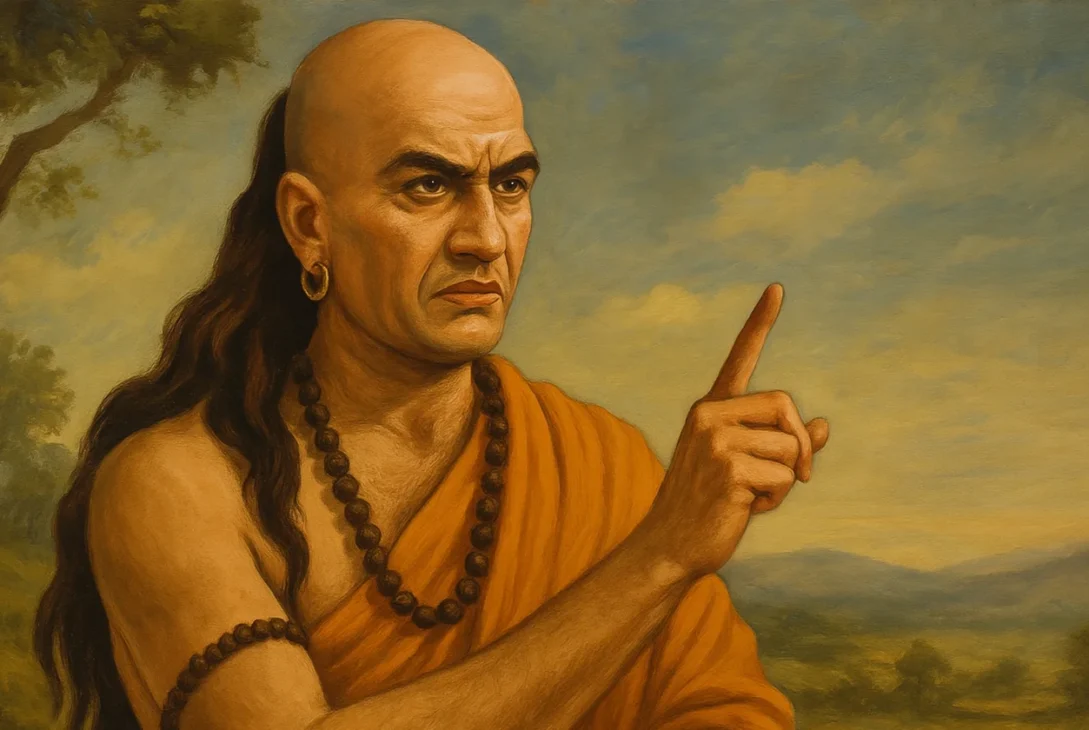
Chanakya’s strategy represents one of the most sophisticated systems of political, economic, and ethical thinking ever produced in human history. More than two thousand years ago, when most civilizations ruled through tradition or brute force, Chanakya designed a methodical, realistic, and results-driven model of governance. His ideas shaped the destiny of the Indian subcontinent and continue to influence leadership thinking even today.
Born around 350 BCE, Chanakya lived during a time of political chaos, foreign invasions, and internal decay. Instead of accepting decline, he chose to confront it intellectually and strategically. His life became a mission to create a strong, secure, and prosperous state rooted in discipline and intelligence rather than blind idealism.
This article explores Chanakya not as a mythical figure, but as a practical strategist, economist, and political realist. By examining his biography, partnership with Chandragupta Maurya, teachings, and the principles of the Arthashastra, we uncover why Chanakya remains India’s greatest strategist—and what modern leaders can still learn from him.
Chanakya Biography: The Making of a Strategist
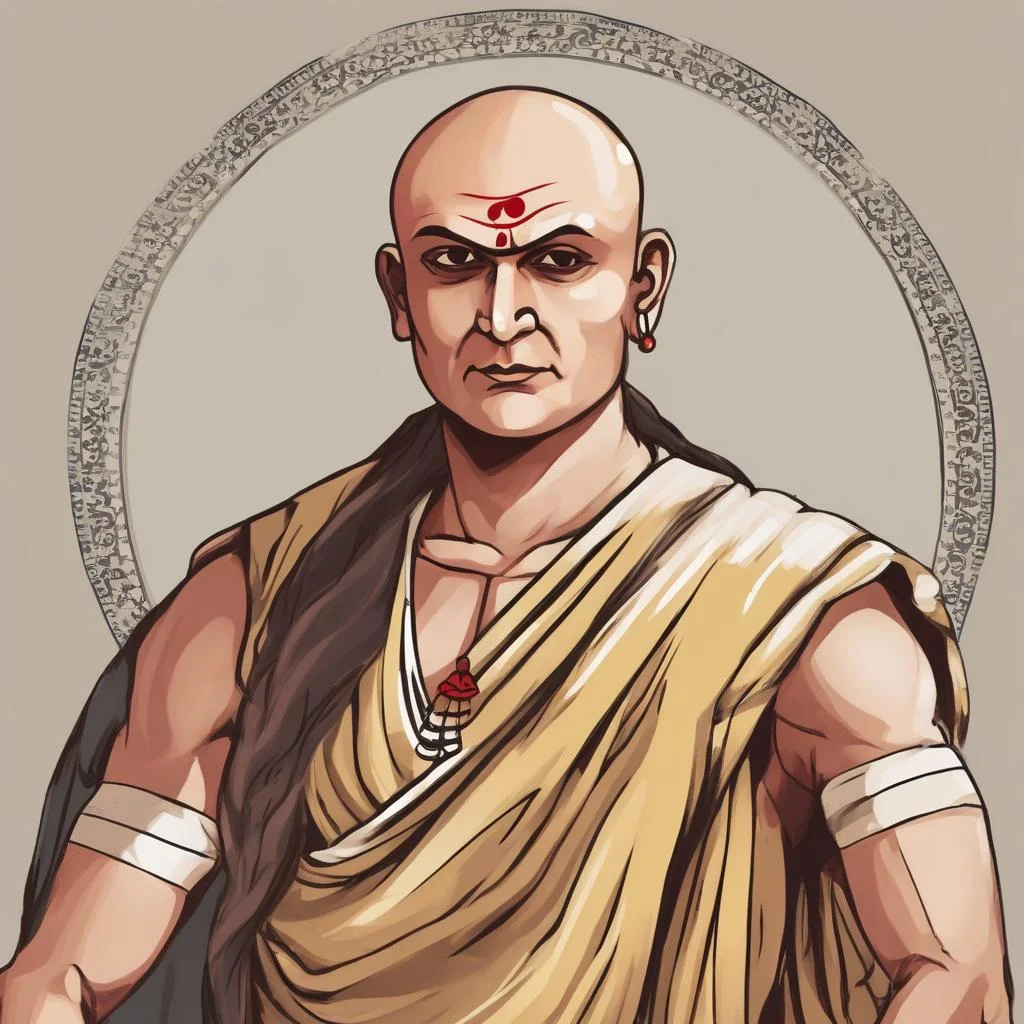
Chanakya was born into a scholarly Brahmin family. Historical traditions associate his birth either with Takshashila (Taxila) or Pataliputra, two major intellectual centers of ancient India. His original name is believed to be Vishnu Sharma, while the name Chanakya came from his association with the sage Chanaka. He was also known as Kautilya, derived from his gotra.
From an early age, Chanakya displayed exceptional intellectual discipline. He mastered the Vedas, economics, law, diplomacy, and political science. As a professor at Takshashila University, he observed how weak rulers, corruption, and foreign invasions were destroying Indian polities.
Unlike spiritual philosophers, Chanakya did not retreat into asceticism. Instead, he turned knowledge into action. His insult by the Nanda king Dhana Nanda became a turning point. Rather than seeking revenge emotionally, Chanakya converted humiliation into a long-term strategy.
This period shaped Chanakya’s belief that power without wisdom destroys nations, and wisdom without power achieves nothing.
Chanakya and Chandragupta Maurya: Strategy in Action
The partnership between Chanakya and Chandragupta Maurya is one of history’s greatest examples of mentor-led statecraft. Chanakya identified Chandragupta not for royal blood, but for potential, discipline, and adaptability.
Chanakya trained Chandragupta systematically:
- Military organization
- Intelligence gathering
- Psychological warfare
- Administrative control
- Public legitimacy
Together, they dismantled the Nanda dynasty and established the Mauryan Empire, India’s first large-scale centralized state. Chanakya ensured that power was not merely seized but sustained.
This collaboration proves that Chanakya’s strategy was not theoretical. It worked in real political conditions. It transformed a young exile into an emperor and unified a fragmented land into a stable empire.
Kautilya Arthashastra: Blueprint of Governance
The Kautilya Arthashastra is Chanakya’s most enduring contribution. Written over 15 books, it outlines a complete system of governance covering administration, taxation, defense, diplomacy, law, and intelligence.
Key principles include:
- The state’s strength lies in economic stability.
- The law must be strict but predictable.
- Corruption must be eliminated ruthlessly.
- Diplomacy is superior to warfare.
- Intelligence is the backbone of security.
Unlike idealistic philosophies, the Arthashastra accepts human flaws and designs systems to manage them. Chanakya believed rulers must be morally disciplined but strategically flexible.
Modern political science often compares the Arthashastra to Machiavelli’s The Prince, but Chanakya predates Machiavelli by nearly 1800 years and presents a more comprehensive administrative vision.
Chanakya Teachings: Ethics Without Illusions
Chanakya’s teachings reject emotional idealism. He believed morality must serve stability and survival. His ethics are grounded in responsibility, not sentiment.
He famously warned:
- Trust must be earned, not assumed.
- Secrets are weapons
- Power must remain centralized.
- Self-interest governs human behavior.
This realism does not promote cruelty. Instead, it emphasizes preparedness. Chanakya understood that good intentions without a strategy lead to disaster.
In governance, he insisted that rulers exist for the welfare of the people—but welfare requires strength, order, and foresight.
Chanakya Niti: Lessons for Daily Life
Chanakya Niti distills strategic wisdom into everyday principles. These teachings apply not only to kings but to ordinary individuals navigating society.
Some core ideas include:
- Discipline precedes success
- Timing matters more than force.
- Adaptability ensures survival
- Knowledge is power only when applied.
Chanakya believed that personal life and political life follow the same rules. A careless individual fails just as a careless ruler does.
His blunt language shocks modern readers, but its relevance remains intact because human nature has not changed.
Chanakya Quotes: Sharp, Timeless, Uncomfortable
Chanakya’s quotes endure because they cut through illusion.
“Your feelings are your god. Your soul is the temple.”
“Never share your secrets. They become weapons.”
“No one is born great. Greatness is earned.”
Each statement reinforces personal responsibility, awareness, and restraint. These quotes are not motivational slogans; they are survival guidelines.
Why Chanakya’s Strategy Still Matters Today
Modern politics, corporate leadership, and geopolitics reflect Chanakya’s principles more than idealistic theories. Intelligence agencies, economic policies, and diplomatic negotiations all operate on the basis of realism, not moral fantasy.
Chanakya’s strategy teaches:
- Institutions matter more than individuals.
- Power must be regulated.
- Ethics must align with reality.
- Leadership demands sacrifice
His relevance grows stronger in uncertain times.
Conclusion
Chanakya’s strategy is not about manipulation or cruelty. It is about clarity, discipline, and responsibility. Chanakya understood that civilizations survive only when leaders see the world as it is, not as they wish it to be.
By combining biography, political realism, Arthashastra principles, and ethical discipline, Chanakya created a framework that transcends centuries. His ideas shaped India’s first empire and continue to influence modern leadership thinking.
In a world struggling with weak governance and emotional politics, Chanakya’s voice remains firm, uncomfortable, and necessary.
Those who seek power without wisdom fail. Those who seek wisdom without courage disappear. Chanakya taught both.