Introduction
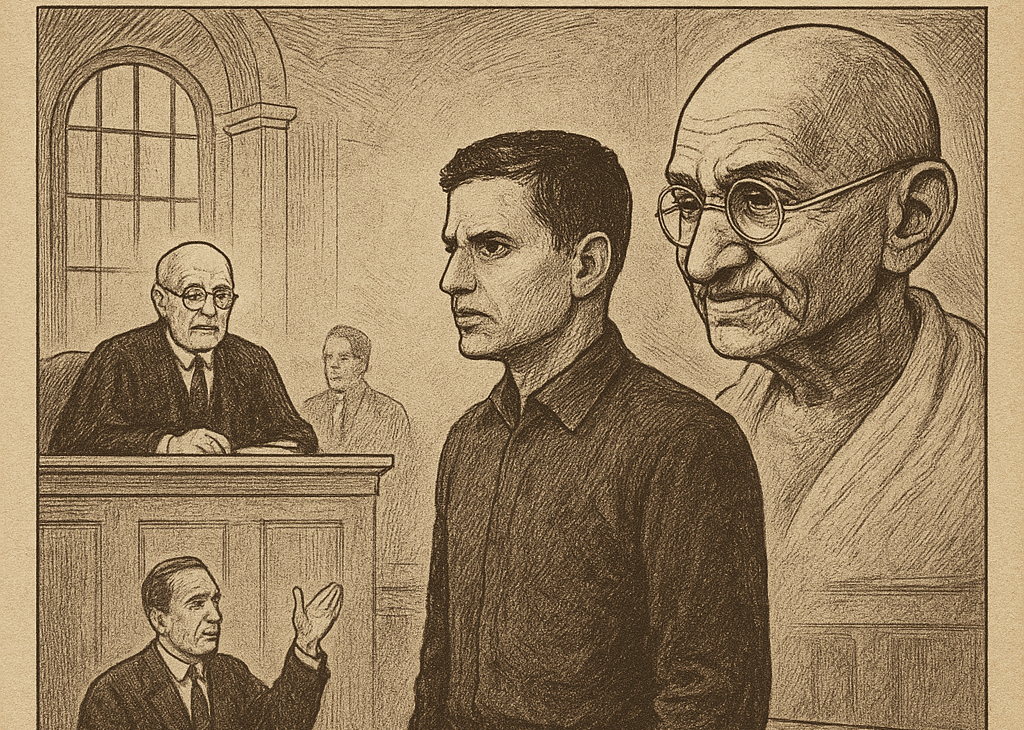
The assassination of Mahatma Gandhi on 30 January 1948 remains one of the most defining and painful moments in modern Indian history. While the act itself shocked the nation, the subsequent legal and political events shaped public discourse for decades. At the centre of this storm stood the Nathuram Godse trial, a judicial proceeding that went far beyond a criminal case and entered the realm of ideology, nationalism, and the unresolved wounds of Partition.
Within hours of the assassination at Birla House in Delhi, the machinery of the Indian state moved swiftly. Arrests began, investigations widened, and a special legal framework was activated to ensure a fast-tracked prosecution. The Gandhi assassination trial soon became a national spectacle, scrutinised not only for its verdict but also for its implications on freedom, dissent, and political belief in a newly independent India.
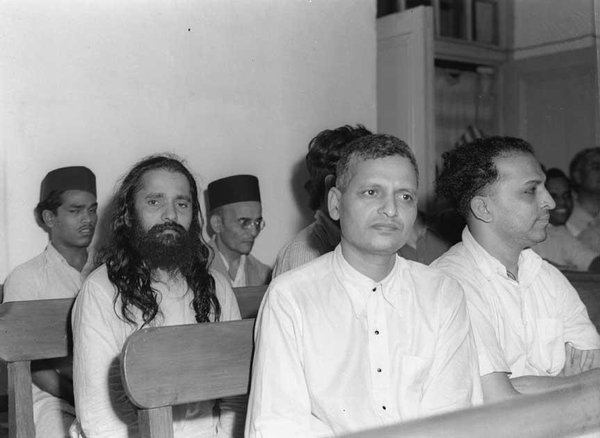
This article presents a comprehensive, evidence-based reconstruction of the Nathuram Godse trial, covering arrests, custody, courtroom proceedings, conspiracy allegations, and the historic moment when Godse rose to justify his actions. The aim is not glorification, but understanding.
The Arrests That Followed Gandhi’s Assassination
On the evening of 30 January 1948, after firing the fatal shots, Nathuram Godse surrendered immediately to the Delhi Police. The investigation began that very night. For several hours, rumours spread across Delhi about the assassin’s identity. Refugee communities feared collective blame, especially in the volatile post-Partition climate.
When it emerged that Godse was neither Punjabi, Bengali, Sindhi, nor a refugee, relief spread through cities like Amritsar, Ambala, Calcutta, and Kanpur. This reaction itself revealed the depth of communal tension prevailing in India at the time.
The Gandhi assassination investigation soon expanded nationwide.
Nationwide Arrests and Preventive Detention
Preventive Detention and Early Custody
On 31 January 1948, Digambar Ramchandra Badge was arrested by the Pune Police and transferred to Bombay Police custody. Simultaneously, law enforcement agencies across India initiated a massive crackdown using Preventive Detention laws, leading to the arrest of thousands.
Among those detained was Vinayak Damodar Savarkar, widely known as Veer Savarkar. Initially held under preventive detention, his status later changed to that of an accused in the Savarkar Gandhi murder case, based on information he provided during interrogation.
This shift carried serious legal and political consequences, drawing intense public attention.
Gopal Godse’s Arrest and the Final Roundup
On 2 February 1948, Gopal Godse, Nathuram’s brother, left his home in Khadki, Pune, fully aware that arrest was imminent. By 5 February, he had reached Kamshet, planning to walk to Uksan, but police tracked and arrested him before he could escape.
On 6 February, Shankar Kistaiyya, a servant of Badge, voluntarily surrendered at the Bombay CID office. The final arrests soon followed:
- Nana Apte – arrested in Bombay on 13 February.
- Vishnu Karkare – arrested on 14 February.
- Dr Parchure – arrested separately and imprisoned in Gwalior Fort.
By mid-February, the core accused in the Gandhi murder conspiracy were in custody.
Transfer to Delhi and Red Fort Imprisonment (1948)
On 25 May 1948, most of the accused were flown to Delhi in two batches. Savarkar, citing ill health, arrived a day later. By 27 May, all accused—including Savarkar and Dr Parchure were confined in a special prison inside the Red Fort, marking a crucial phase of the Nathuram Godse trial.
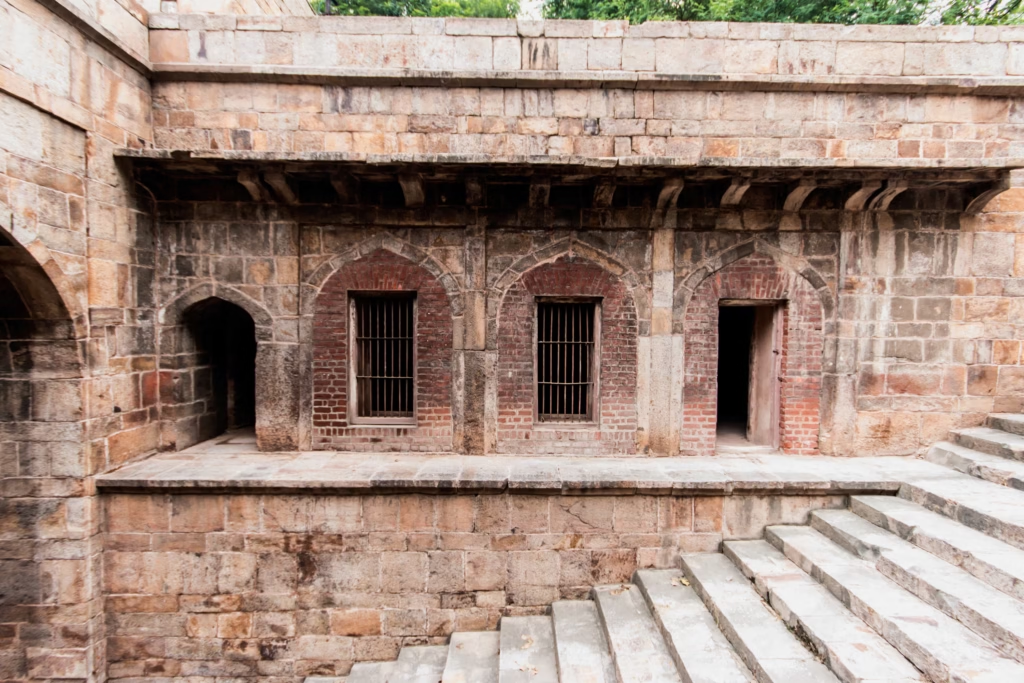
By this point, Badge had turned approver. No longer seated among the accused, his testimony became the backbone of the prosecution’s strategy.
Legal Machinery: Special Court and Accelerated Trial
The trial was conducted under the Bombay Public Security Measures Act (Act IV of 1947), extended to Delhi specifically for this case. This law enabled:
- A single-judge special court
- Relaxed evidentiary procedures
- Swift pronouncement of capital punishment
- Accelerated appeal mechanisms
The court convened in a large hall on the first floor of the Red Fort complex. On 27 May 1948, the first formal session began, shifting proceedings from prison secrecy to public scrutiny.
Spotlight on Savarkar and the Public Spectacle
The trial’s significance intensified due to Savarkar’s inclusion. A revolutionary with a long anti-colonial record, his presence transformed the courtroom into a theatre of ideological conflict.
As the judge entered shortly before 10:00 AM, photographers captured the moment. C.K. Daphtary, the Public Prosecutor, read out the charges. The defence was instructed to receive witness summaries by 2 June, and the next hearing was scheduled for 3 June 1948.
Savarkar’s legal defence was led by Annarao Bhopatkar, assisted by Ganpat Rai, Jamnadas Mehta, and others.
Charges Framed and Initial Denials
On 22 June 1948, formal charges were framed. Every accused pleaded not guilty.
- Madan Lal claimed the 20 January bomb incident was a protest, not an assassination attempt.
- Dr Parchure challenged jurisdiction, arguing that Gwalior had not acceded to India and that the Arms Act did not apply there.
These objections added layers of complexity to the Gandhi assassination trial.
Courtroom Events and the Birla House Visit
During proceedings, the prosecution requested a site visit to Birla House, the assassination location. Godse declined. Others—including Apte, Karkare, Madan Lal, and Gopal Godse—agreed. Savarkar and Dr Parchure refused.
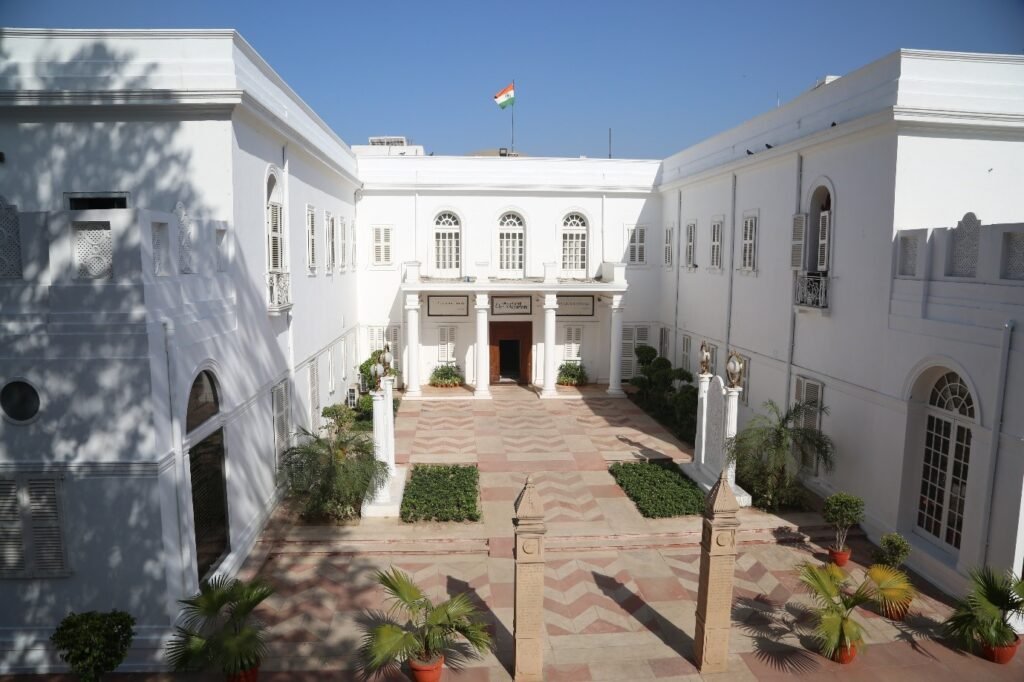
On 24 June 1948, the visit took place. For the accused, Birla House was not merely a crime scene. It symbolised:
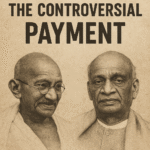
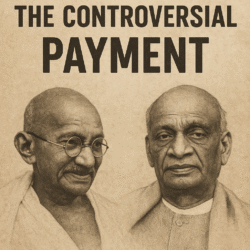
- Gandhi’s fast for the ₹55 crore payment
- Alleged refugee rehabilitation policies
- The ideological clash over the Partition violence
To them, the site felt soaked not only in Gandhi’s blood, but in the blood of Partition’s victims.
Prosecution’s Case and Conspiracy Allegations
The prosecution attempted to establish a network of coordination among the accused.
It was undisputed that Godse and Apte ran the Hindu Rashtra newspaper. Their movements were traced across Bombay, Delhi, and Gwalior. Records showed their stay at Marina Hotel, New Delhi (17–20 January 1948) and later at a railway retiring room on 29–30 January.
A taxi driver testified to transporting Godse, Apte, Gopal, Karkare, Badge, and Kistaiyya to Birla House on 20 January. A hotel register revealed false names.
To extend the conspiracy beyond 20 January, a Thane witness alleged a post-bomb meeting. The defence countered that mere meetings did not constitute conspiracy.
The Magnitude of the Trial and the Turning Point
The prosecution presented 149 witnesses and over 720 pages of testimony. On 8 November 1948, the trial reached its defining moment.
Accused No. 1, Nathuram Godse, requested permission to deliver a detailed statement.
Despite objections from C.K. Daphtary, the judge allowed it.
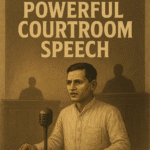
What followed was the Nathuram Godse courtroom statement—a speech that reframed the assassination not as a personal act, but as a political justification. It remains one of the most controversial speeches in Indian legal history.
Conclusion
The Nathuram Godse trial was not merely about guilt or innocence. It became a mirror reflecting India’s unresolved conflicts—Partition trauma, ideological extremism, and the limits of political dissent.
Through accelerated laws, extraordinary custody arrangements, and intense public scrutiny, the Gandhi assassination trial tested the foundations of Indian democracy. Godse’s final statement ensured that the case would never fade into legal archives.
Understanding this trial is essential—not to endorse violence, but to confront history honestly. Only through critical engagement can societies prevent repetition.