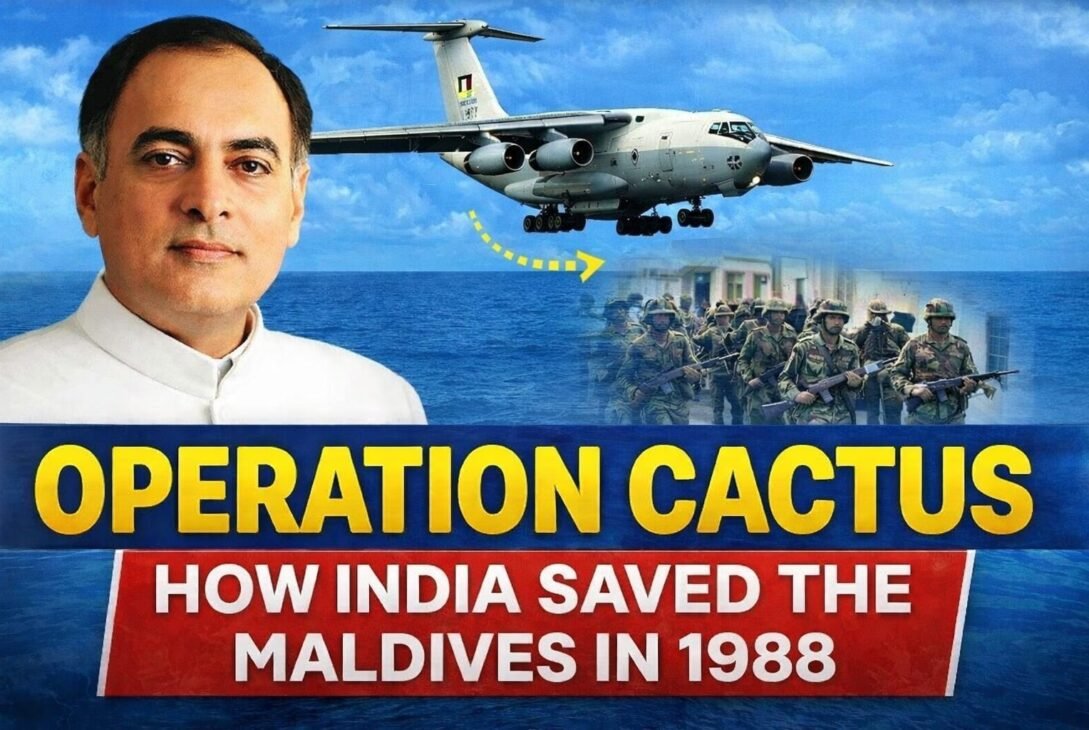
The night of November 3, 1988, changed South Asian military history forever. Armed militants stormed the Maldives capital of Malé. They seized government buildings and threatened the president’s life.
Operation Cactus became India’s answer to this crisis. Within hours, Indian forces launched one of the fastest military interventions ever recorded. The mission demonstrated India’s commitment to regional stability and friendship.
This remarkable rescue operation unfolded across just 18 hours. It involved coordination between the Indian Army, Navy, and Air Force. The success strengthened India-Maldives relations for decades to come.
The Paradise Islands Under Threat
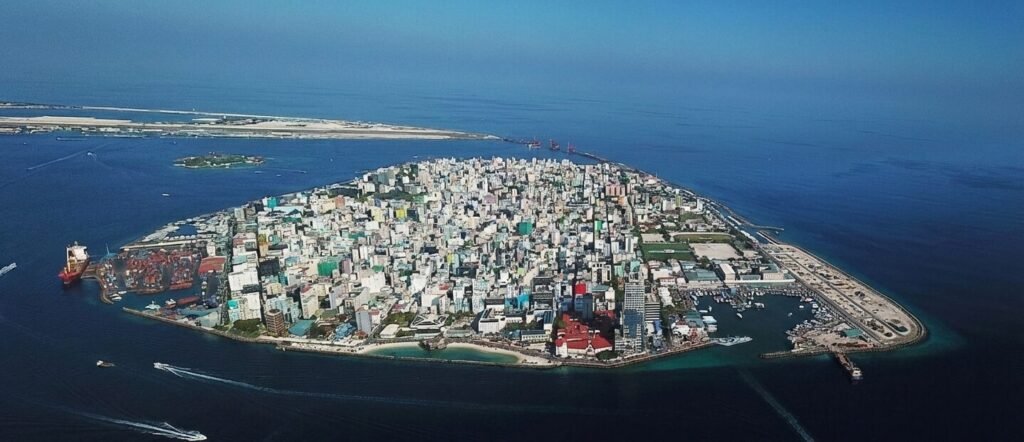
The Maldives sits in the Indian Ocean’s strategic waters. The nation comprises nearly 1,200 coral islands spread across tropical seas. Only 200 of these islands have human settlements.
The country’s capital, Malé, serves as the administrative heart. With a population of just 520,000, the Maldives ranks among Asia’s smallest nations. However, its strategic importance far exceeds its size.
Geographic and Strategic Value
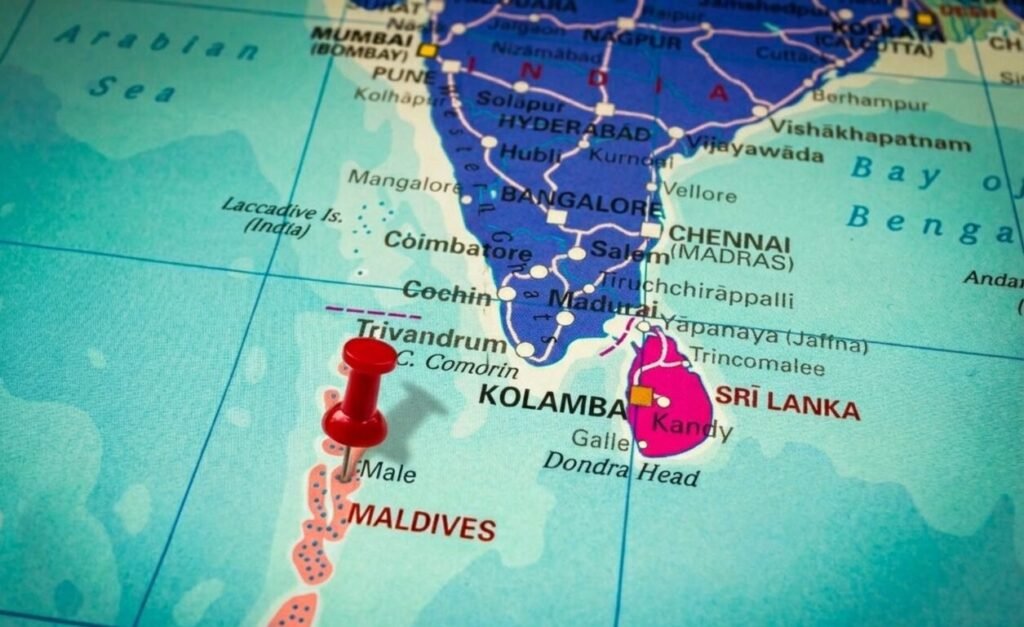
The islands lie southwest of India’s coast. Major shipping routes pass through these waters. India’s sea trade depends heavily on this region’s security.
The Maldives controls crucial maritime pathways in the Indian Ocean. These routes carry oil tankers and cargo ships. Any instability here threatens regional trade and security.
The nation’s location makes it vital for monitoring naval movements. China’s growing influence in the Indian Ocean adds urgency. India views the Maldives as essential to its strategic interests.
Political Turmoil Before the Crisis
Maldives political history took several dramatic turns before 1988. The country gained independence from Britain on July 26, 1965. A referendum in March 1968 established the Republic of the Maldives.
Ibrahim Nasir became the first president. He extended his term by changing the constitution in 1972. His presidency faced growing opposition and economic troubles.
The Rise of Maumoon Abdul Gayoom
Nasir fled to Singapore in 1978 with millions from the state treasury. Maumoon Abdul Gayoom won the subsequent election unopposed. He immediately began economic reforms.
Gayoom joined the Maldives with the International Monetary Fund. He also connected the nation to the World Bank. Tourism development became his priority.
These efforts improved conditions but created enemies. Some businessmen and political rivals resented his power. They began plotting against his government.
Failed Coup Attempts
Opposition forces tried to overthrow Gayoom in 1980. The coup failed completely. Another attempt in 1983 also collapsed.
These failures didn’t stop the conspirators. They spent five years planning a larger operation. The 1988 coup would be their most ambitious attempt.
The November 3 Coup Attempt
President Gayoom planned to visit India on November 3, 1988. An Indian aircraft was already en route to the Maldives. However, the trip was postponed at the last minute.
Prime Minister Rajiv Gandhi had election commitments elsewhere. Both leaders agreed to reschedule the visit. This cancellation unknowingly disrupted the conspirators’ plans.
Militants Strike at Night
The plotters expected Gayoom to be in India. Abdullah Lutfi, a wealthy businessman, led the conspiracy. He partnered with Tamil militants from Sri Lanka.
Around 80 armed mercenaries entered Malé disguised as tourists. They came from the People’s Liberation Organization of Tamil Eelam (PLOTE). Speed boats brought them to the capital under darkness.
The militants seized key government buildings rapidly. They captured the airport, television towers, and radio stations. Armed men patrolled the streets with advanced weapons.
The President in Danger
The attackers moved toward the Presidential Palace. Gayoom and his family were still inside. National security advisors acted quickly to evacuate them.
They moved the president to the Defense Minister’s house first. Then they transferred him to a secure location. The militants captured the Education Minister as a hostage.
Malé’s residents woke to gunfire and chaos. Banks were looted and properties damaged. The Maldives coup of 1988 seemed destined to succeed.
Maldives Calls for Help
Foreign Secretary Ibrahim Zaki sent urgent messages worldwide. The Maldives requested military assistance from several nations. Britain, the USA, Pakistan, Sri Lanka, and Singapore received appeals.
Pakistan and Sri Lanka declined due to limited capabilities. Singapore also refused to intervene. The United States said its nearest base was too far.
Britain Suggests India
Britain’s response changed everything. They advised the Maldives to contact India immediately. India had the closest military assets and the fastest response capability.
The message reached India’s Foreign Ministry quickly. Joint Secretary Kuldeep Sahdev received the SOS call. He immediately escalated it to the highest levels.
Prime Minister Rajiv Gandhi convened an emergency meeting in Delhi. Army chiefs, intelligence officials, and key advisors assembled. The decision came swiftly: India would help.
Operation Cactus Launches
Rajiv Gandhi’s foreign policy prioritized regional stability and neighborly assistance. He authorized immediate military deployment to the Maldives. The mission received the codename Operation Cactus.
Military planners faced significant challenges initially. India lacked detailed maps of the Maldives geography. Strategic information about the islands was limited.
Planning Against the Clock
Maldives Ambassador A.K. Banerjee provided crucial assistance. He was in India at the time. Coffee table books and tourist maps became planning resources.
The initial plan involved paratroopers dropping from aircraft. However, the Maldives’ small islands made this risky. Soldiers might land on the wrong islands.
Officials decided troops would land at Hulhule Island instead. This island sat near Malé and had an airfield. Militants hadn’t captured it yet.
Forces Mobilize
The Sixth Battalion of the Parachute Regiment prepared for deployment. The 177th Parachute Field Regiment joined them. Brigadier Farook Bulsara took command.
Indian Air Force IL-76 aircraft loaded with troops and equipment. They departed from Agra Air Force Station that night. The journey covered 2,000 kilometers non-stop.
INS Godavari and INS Betwa frigates also set sail. The Navy would intercept any escape attempts. All three services coordinated for the first time in foreign operations.
The Military Intervention Begins
Indian aircraft reached the Maldives airspace within hours. A British Airways flight passed nearby during transit. The BBC soon reported India’s intervention globally.
The element of surprise disappeared, but it didn’t matter. Indian forces had speed and determination on their side. They would complete the mission regardless.
Securing Hulhule Island
The first IL-76 landed at Hulhule Island’s airfield. Paratroopers secured the area immediately. No militants were present, confirming intelligence was accurate.
This became Phase One of the operation. Phase Two involved rescuing President Gayoom in southwest Malé. Phase Three required all teams to regroup at Hulhule.
Phase Four focused on ensuring the president’s complete safety. The plan would unfold with military precision. Every soldier knew their role.
Entering Malé
The second team traveled to Malé by boat. They split into two groups upon arrival. One searched for President Gayoom while the other hunted militants.
Indian soldiers moved through the streets methodically. They engaged militants in several firefights. Superior training gave Indian forces the advantage.
Paratroopers secured areas block by block. Resistance crumbled as they advanced. The operation was proceeding faster than expected.
Rescuing the President
The search team located the Defense Minister’s house quickly. They arrived at the safe house by 2:00 AM. President Gayoom was found unharmed.
Indian officers suggested evacuating Gayoom to India temporarily. The president refused to leave his country. He wanted to reach the National Service Headquarters instead.
Safe at Last
Soldiers escorted Gayoom to the headquarters by 4:00 AM. He immediately requested to speak with Prime Minister Rajiv Gandhi. Brigadier Bulsara arranged the phone call.
Gayoom thanked Gandhi profusely for India’s swift response. The rescue marked a major victory for Operation Cactus 1988. However, fighting wasn’t finished.
Militants still roamed Malé’s streets freely. Abdullah Lutfi remained at large. The Education Minister was still held hostage.
The Final Confrontation
Indian forces tightened control over Malé progressively. News of their presence spread among militants. Several surrendered immediately to avoid capture.
Some militants attempted to flee the island. They hijacked a tourist boat with hostages aboard. The Education Minister and six others were forced onboard.
Naval Chase
The hijacked vessel headed toward Sri Lanka desperately. Indian forces opened fire from the beach. Rockets and machine guns damaged the boat significantly.
Two holes punctured the hull, causing it to list. The steering mechanism jammed completely. Yet the boat continued toward international shipping lanes.
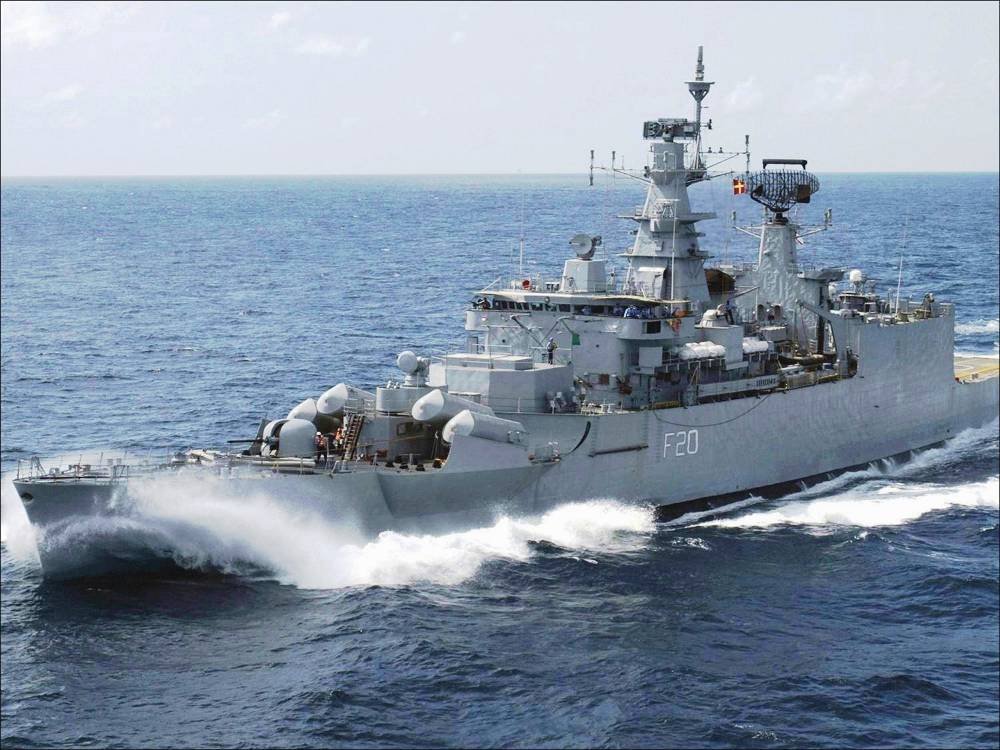
INS Godavari and INS Betwa intercepted the vessel at sea. Naval forces launched a coordinated attack. Part of the boat’s structure broke away.
Militants Surrender
Several militants jumped overboard, fearing capture. The Indian Navy gave Abdullah Lutfi chances to surrender. He refused and tried changing course repeatedly.
His luck ran out against India’s naval power. Nineteen militants died in the confrontation. Two hostages also perished tragically.
The Navy rescued the Education Minister successfully. Abdullah Lutfi was captured alive. Not a single militant escaped Indian forces.
Mission Accomplished
The Indian Air Force secured complete control of Malé. All militants were either captured or killed. The coup attempt had failed entirely.
Operation Cactus concluded successfully after 18 hours. India demonstrated unprecedented speed and coordination. The world watched in amazement.
US President Ronald Reagan praised India’s contribution to regional stability. British Prime Minister Margaret Thatcher remarked, “Thank God for India.” International recognition poured in from everywhere.
Controversy and Criticism
Sri Lanka criticized India’s intervention as overreach. They questioned the legitimacy of military action. However, most nations supported India’s response.
President Gayoom’s government survived the crisis intact. Abdullah Lutfi received a death sentence initially. Gayoom later commuted it to life imprisonment.
The operation cost minimal casualties on India’s side. No Indian soldiers died during the mission. Maldivian security forces suffered limited losses.
Long-term Impact on Relations
Operation Cactus became a milestone in India-Maldives relations. The rescue created deep bonds between both nations. Trust and cooperation increased significantly.
India proved itself as a reliable regional partner. Smaller nations recognized India’s commitment to neighborhood security. The mission enhanced India’s strategic standing.
Military Lessons
The operation demonstrated joint force capabilities effectively. Army, Navy, and Air Force coordination was exemplary. Future operations would build on these lessons.
Rapid deployment capabilities proved their worth. Intelligence gathering and planning under pressure succeeded. The military gained valuable experience in foreign interventions.
India’s message to adversaries was clear. Any threat to regional allies would face a swift response. The Indian Ocean remained India’s sphere of influence.
The Strategic Importance Today
The Maldives continues to hold critical value for India. Chinese influence in the Indian Ocean keeps growing. Maintaining strong ties with Malé remains essential.
The islands provide monitoring capabilities for naval movements. They offer potential bases for maritime operations. Strategic partnerships depend on historical trust.
Modern Challenges
Recent political changes in the Maldives have tested relationships. Different governments have varying foreign policy priorities. India must navigate these complexities carefully.
Economic investments and development assistance strengthen bonds. Defense cooperation agreements ensure a continued partnership. Cultural ties complement strategic interests.
Operation Cactus set the foundation for modern cooperation. The 1988 rescue is remembered fondly in the Maldives. It represents India’s reliability as a friend.
Conclusion
Operation Cactus stands as a defining moment in Indian military history. The November 1988 mission saved the Maldives from violent overthrow. It showcased India’s rapid response capabilities internationally.
India-Maldives relations were transformed by this intervention. The operation proved India’s commitment to regional stability. Neighboring countries recognized India as a dependable ally.
The success came from careful planning despite time constraints. Coordination between military branches was flawless. Bravery and professionalism carried the day.
Operation Cactus remains relevant for understanding Rajiv Gandhi’s foreign policy and India’s strategic priorities. The mission demonstrated that India could protect its interests decisively. It set precedents for future regional interventions.
Today, as geopolitical competition intensifies in the Indian Ocean, the lessons of Operation Cactus endure. Swift action, regional cooperation, and military preparedness remain essential. India’s 1988 rescue mission continues inspiring defense planners and strategists alike.