Vallabhbhai Patel’s awakening movement spread everywhere in India. The British couldn’t control this rising tide of consciousness. South India’s freedom flame burned brighter each day.
Sardar Vallabhbhai Patel visited numerous Indian provinces, inspiring people to fight British rule. His clever words and passionate ideas energized the masses. Farmers, housewives, and all classes of people rose in protest.
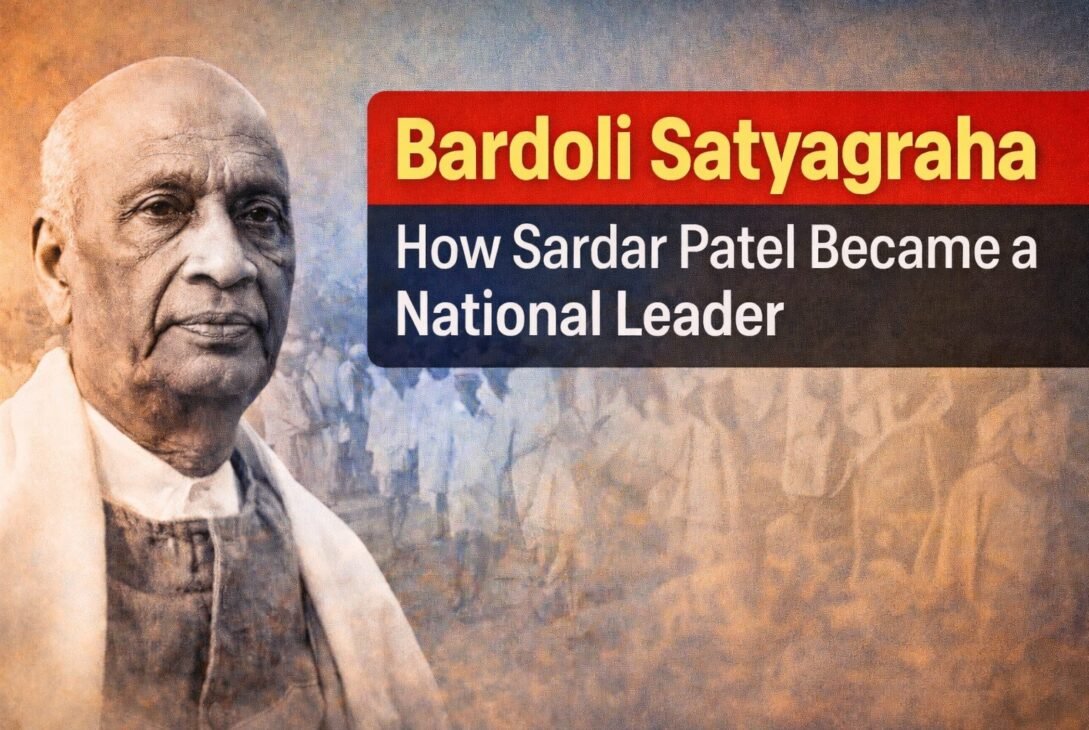
This article explores how the Bardoli Satyagraha transformed Patel into ‘Sardar.’ We examine his social welfare activities, strategic movements, and leadership during the Indian freedom struggle. The journey from lawyer to India’s Iron Man unfolds through powerful campaigns.
The Borsad Tax Resistance Movement
A peculiar problem emerged in Borsad, Gujarat, during this period. Notorious dacoit gangs led by Babardev and Sadakmiya terrorized the region. Murder and extortion became daily occurrences.
Local residents lived in constant fear of these criminals. The government completely failed to control these gangs’ activities. The police department staff were mostly Indian themselves.
Government’s Unjust Tax
They deliberately avoided capturing the dacoits effectively. Adding insult to injury, the government imposed a special tax of 2.5 lakh rupees. The bizarre reason given was shocking to everyone.
“The public is not cooperating in catching dacoits,” the government declared. Every person above sixteen years of age had to pay two rupees and seven annas. The police themselves began extorting money from citizens.
People felt dacoits were better than these corrupt police. “We will protect ourselves; please keep the police away,” villagers began saying. The situation demanded immediate intervention from leadership.
Patel’s Strategic Victory
Vallabhbhai Patel led the fight against this unjust ‘Pundugandaya’ tax. He gathered comprehensive supporting information before acting. The Gujarat Pradesh Congress Committee passed a universal resolution.
Patel delivered speeches proving that no logical basis existed for the tax. He presented evidence showing police officials colluded with dacoits. Witnesses confirmed police remained inactive during dacoit attacks.
The government trembled before Patel’s powerful arguments. It immediately withdrew the tax order and arrested all dacoits. Death sentences were imposed after proper trials.
All of Gujarat celebrated this tremendous victory. Patel congratulated the government for acknowledging its mistake. Gandhi ji called him ‘Borsad Raja’ for this successful movement.
Municipal Leadership and Social Service
Congress party internal conflicts continued despite political victories. Patel alone maintained unwavering loyalty to Gandhi during his absence. Meanwhile, Gandhi’s health deteriorated in prison.
British authorities grew extremely anxious about potential consequences. They feared public reaction if anything happened in jail. Frightened officials released Gandhi four years early from imprisonment.
Ahmedabad Municipal Corporation
Elections for the Ahmedabad Municipality occurred in 1924 after a two-year suspension. Patel was elected as president of the corporation. His tenure focused on fundamental civic infrastructure needs.
Drainage systems and water supply received special attention under his leadership. Thousands of homes received electricity connections for the first time. His administrative efficiency impressed even British officials.
Once, heavy rains caused massive damage in Ahmedabad for six days. British authorities didn’t know how to respond effectively. However, Patel stood by the distressed citizens immediately.
He mobilized hundreds of young volunteers to rescue thousands. Money and grain were collected from people for relief work. His work efficiency, dedication, and social concern impressed everyone.
Anti-Alcohol Campaign
Patel started an anti-alcohol campaign to create moral consciousness among people. He visited major Gujarat cities and towns, explaining alcohol’s harmful effects. Dozens of villages were toured during this movement.
The campaign aimed at building character and a healthy society. He explained how alcohol destroyed families and communities. Public meetings attracted large crowds eager to hear him.
Addressing Social Evils
During public interactions, Patel provided moral education to citizens. He emphasized preventing theft, murder, and robbery in society. The movement successfully reduced alcohol consumption in many areas.
Women particularly supported this campaign with great enthusiasm. They understood how alcohol devastated their household economies. Many pledged to keep their families away from drinking.
British liquor revenue declined significantly due to this movement. The government tried various methods to discourage the campaign. However, public support remained strong throughout Gujarat.
The Historic Bardoli Satyagraha
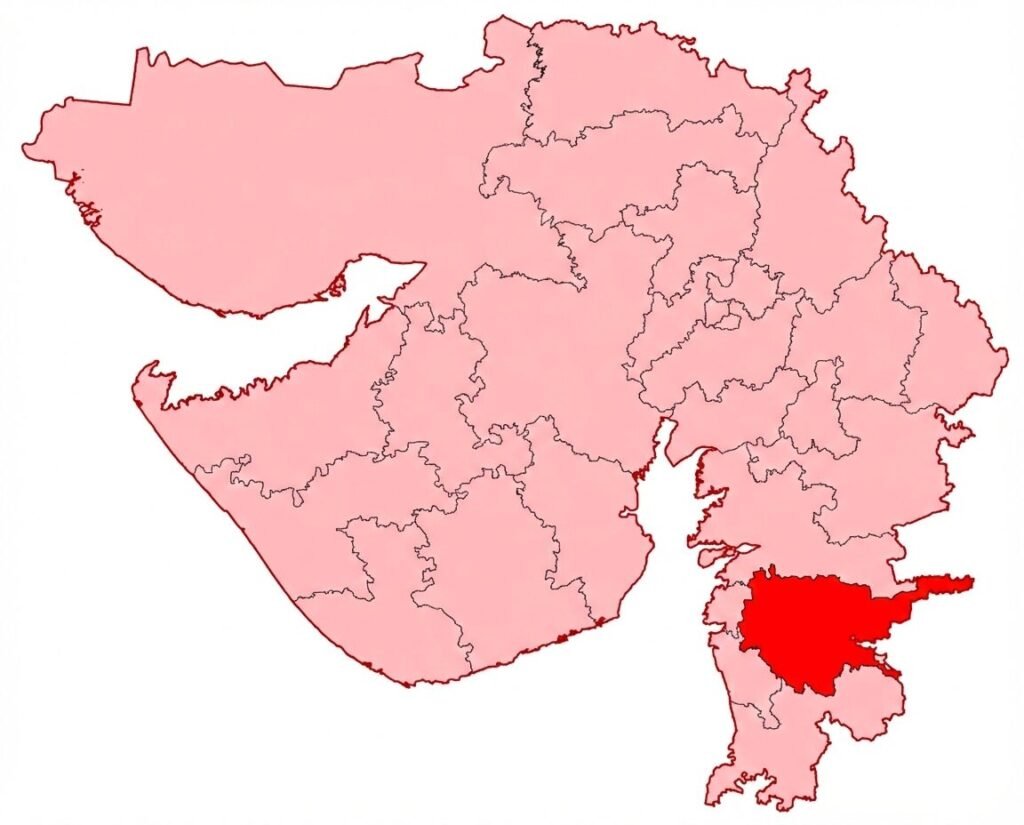
Meanwhile, in Kheda district’s Bardoli, rain devastated farmers completely. The British government imposed additional taxes on these already suffering farmers. Thirty villages were reclassified for higher tax assessment.
Villagers who learned about this development felt utterly helpless. Finally, they approached Patel, hoping he would show them a way. Farmers poured out their troubles to him desperately.
Patel’s Bold Challenge
Patel laid down clear conditions for the farmers’ struggle. “You must withhold not just additional revenue but all revenue,” he declared. “Can you face government oppression that will follow this defiance?”
“Are you ready to sacrifice both life and property?” he asked. “We are all ready,” came the thunderous response. The Bardoli Satyagraha movement officially began with this pledge.
Patel visited numerous villages, preparing people for the confrontation ahead. He explained how to behave when government officials arrived. His passionate speeches appeared in local newspapers everywhere.
Farmers distributed these speeches, creating awareness about the problem’s severity. However, the government remained completely unmoved initially. No changes were made to their taxation position.
Government Oppression and Resistance
Officials who visited some villages confiscated farmers’ cattle as punishment. Patel immediately traveled there and organized collective protests. “This land is ours; this country is ours,” he thundered.
“Who gave you the arrogance to oppress us from elsewhere?” His lion’s roar shook the British government badly. Officials lacked the wisdom to answer Patel’s logical arguments effectively.
The district collector visited Bardoli, meeting some villagers personally. Everyone gave the same answer without exception. “Neither we nor anyone else will pay this tax.”
Some women told their husbands courageously about their priorities. “You can go to jail; we don’t mind that sacrifice. But never pay this unjust revenue to the government.”
Popular Support and Victory
The government announced auctions of land and cattle for non-payment. However, nobody came forward to bid at these auctions. Helpless officials seized cows, chickens, and sheep from homes directly.
The movement intensified and spread across India rapidly. Freedom fighters from many parts visited Bardoli, witnessing the struggle. Patel’s leadership made the movement completely successful, ultimately.
The government finally swallowed its pride and withdrew its orders. Hundreds of arrested villagers were released by the authorities themselves. Confiscated lands were returned to farmers who had lost them.
Patel then instructed farmers about their next responsibility clearly. “Now everyone should immediately pay revenue at old rates to the government.” This showed his commitment to fairness and justice.
Earning the Title ‘Sardar’
Gandhi learned about the Bardoli Satyagraha victory with immense joy. He praised Patel as ‘Sardar of Farmers’ with great affection. Farmers lovingly started calling him ‘Sardar’ from that day forward.
From then onward, he became Sardar Vallabhbhai Patel for all Indians everywhere. The Indian National Congress session in Calcutta officially confirmed this title. Bardoli victory significantly influenced Karnataka’s farmers and their movements.
Impact Across India
Extensive tax resistance movements occurred in the Uttar Kannada district. Ankola, Sirsi, Siddapur, and Dharwad’s Hirekerur witnessed major protests. The Bardoli model inspired resistance movements throughout the country.
The Indian National Congress needed to elect a new president after Bardoli. Additionally, the final struggle for complete Swaraj was being planned carefully. Many people wanted Patel as president during this crucial period.
However, Gandhi suddenly selected Jawaharlal Nehru for the presidential position. This unexpected development angered many Congress leaders genuinely. “After Gandhi, only Patel” was the popular sentiment prevailing then.
Nehru’s entry surprised thousands of Congress workers across the nation. The freedom struggle continued in various forms despite internal politics. Satyagraha activities successfully awakened consciousness among Indians everywhere.
Salt Satyagraha and Imprisonment
The freedom struggle took various forms throughout this crucial period. Satyagraha activities proved quite successful in awakening Indian consciousness. Organizing Indians against the British proved harder than fighting the British themselves.
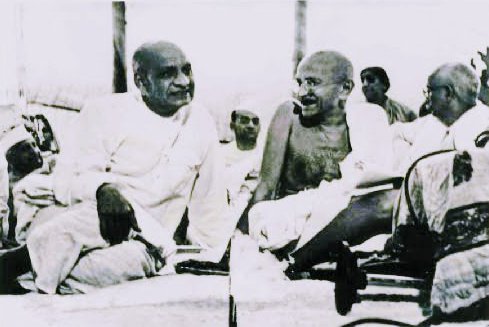
Gandhi and Patel entered during this critical time, energizing the masses. They filled people with the determination to win freedom absolutely. “We must not remain slaves; Indians should rule India,” they proclaimed.
The Salt March Strategy
Indians heard these words and gained tremendous courage collectively. They participated actively in non-violent movements with renewed energy. Salt Satyagraha began alongside the continuing freedom struggle nationwide.
Gandhi expressed dissatisfaction with the British tax on God-given salt. Going to the seashore and collecting salt without permission was encouraged. Tax-free salt selling was promoted if reaching shore proved difficult.
The plan involved a 241-mile march from Sabarmati to Surat’s Dandi. Patel was Gujarat’s most prominent leader during this period. Kheda’s Collector Alfred Mossaryk planned his arrest strategy carefully.
First Imprisonment
He reasoned that arresting Patel would break Gandhi’s right hand. Therefore, he banned Patel from speaking in Kheda district. Until then, Patel had never gone to jail for any struggle.
Salt Satyagraha hadn’t officially begun when Patel spoke about it publicly. Local police officers arrested him immediately upon this opportunity. Alfred Mossaryk conducted the trial personally without any lawyers present.
No witness examination occurred during this completely one-sided proceeding. Mossaryk declared Patel guilty and imposed harsh punishment immediately. Three months rigorous imprisonment plus two hundred rupees fine was ordered.
People strongly protested Patel’s unnecessary imprisonment across the region. Politicians condemned the punishment imposed without a proper trial opportunity. However, nothing changed the predetermined verdict ultimately.
Prison Experience
Fellow prisoners felt both joy and sadness seeing Patel imprisoned. Some prostrated before him, displaying their love and admiration. They brought hot water meant for washing clothes for his bathing.
Prison authorities constantly harassed him despite prisoner support and care. Yet Patel faced everything with his characteristic smile and patience. News of harassment somehow reached a journalist covering the story.
He wrote detailed reports and published them in newspapers widely. People rose in protest, demanding better treatment immediately. Prison conditions improved dramatically after this public pressure mounted.
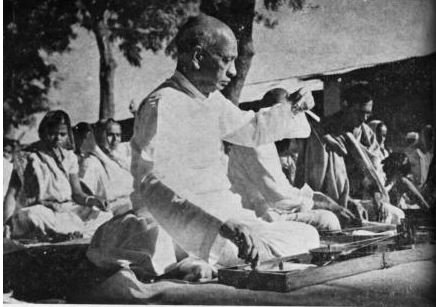
Patel utilized his time productively during the 111-day imprisonment. He continued spinning the charkha wheel without fail daily. Reading and discussing India’s history, culture, and heritage became his routine.
Continuing the Freedom Movement
The British government increasingly lost its composure watching daily developments. Its plans failed repeatedly despite numerous attempts at suppression. Continuous Satyagraha and movements occurred twenty-four hours a day.
The government constantly thought about somehow breaking the Congress party’s momentum. Sometimes it seemed successful in weakening the freedom movement. However, Gandhi and Patel’s leadership started new movements within days.
Political Maneuvering
England’s government invited Congress leaders to London in 1931. Congress members assembled with Patel presiding as president then. Lengthy discussions occurred about accepting this invitation’s implications.
Some suggested Gandhi should go to London for negotiations. However, Patel rejected this suggestion outright at the meeting. Most members advised Gandhi against going to London altogether.
Nevertheless, Gandhi alone decided to accept England’s invitation independently. His visit and negotiations proved completely unsuccessful as predicted. Patel had foreseen this humiliation, knowing British mentality thoroughly.
Now, Patel’s turn came to console Gandhi after this failure. Pre-independence movements became inseparable parts of the patriots’ lives continuously.
Major Movements and Campaigns
Prominent movements included the boycott of foreign goods across the nation. The Chale Jao (Leave India) and Quit India movements followed later. These campaigns galvanized millions into active resistance against colonialism.
Foreign Goods Boycott
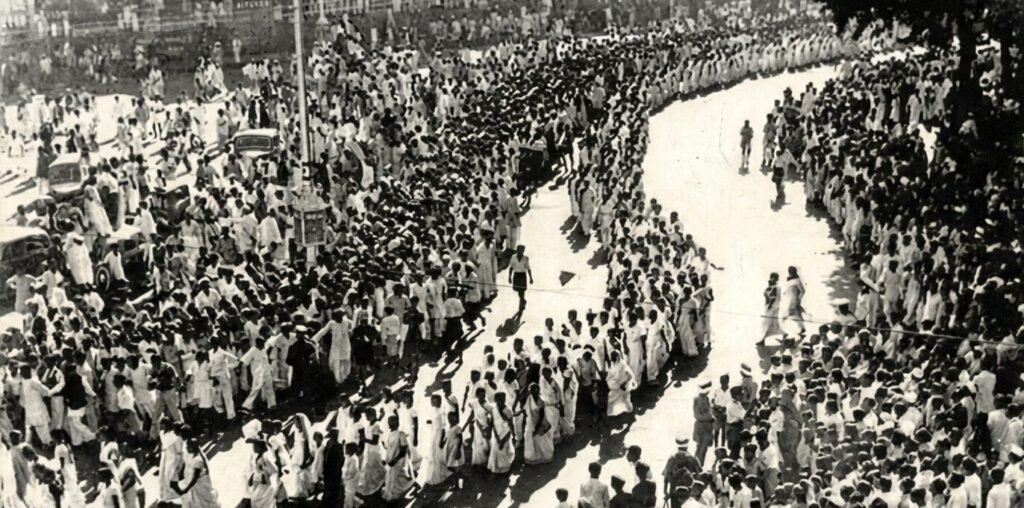
During the foreign goods boycott, people burned these items publicly everywhere. Patel once burned his lawyer’s black coat and tie dramatically. This encouraged everyone to purchase only Swadeshi (indigenous) goods actively.
The scene repeated itself throughout the country with great enthusiasm. People threw foreign shop goods outside onto the streets boldly. South India, Mumbai, Delhi, and Ahmedabad witnessed unprecedented success.
Gandhi simultaneously began promoting self-reliance activities among people nationwide. Patel led the charkha (spinning wheel) program under Gandhi’s guidance. This combined economic and political resistance was effectively against British rule.
Civil Disobedience
The Patriots began breaking British laws one by one systematically. The British actually feared Patel more than Gandhi for specific reasons. He knew laws and regulations completely from his legal training.
The British worried constantly about what Patel might do next strategically. Civil disobedience activities intensified alongside non-cooperation movements gradually. Legislative assembly elections occurred with Patel campaigning extensively across regions.
He traveled widely, delivering inspiring speeches and instilling patriotism in people. Though sometimes harsh, his words always carried deep, meaningful messages. Through Patel’s efforts, Congress won power in seven Indian states.
His sharp intellect proved crucial to achieving these electoral victories. British authorities’ heartbeat increased further, witnessing this growing influence. They attempted to break Hindu-Muslim unity through divide-and-rule tactics successfully.
Hindu-Muslim Relations
Muhammad Ali Jinnah established the ‘Muslim League’ party as a separate entity. This development deeply disappointed Patel and devastated Gandhi emotionally. Jinnah pledged to separate an Islamic nation from India completely.
Patel didn’t remain silent, watching this dangerous development unfold. He met Jinnah personally, requesting him not to divide India. However, Jinnah maintained one position stubbornly throughout all discussions.
World War II Complications
“We will separate from Hindus,” Jinnah declared repeatedly and firmly. During World War II, England planned to use Indian army soldiers. Patel protested this move extremely strongly and vocally immediately.
“British internal war has no connection with Indian military forces. Our soldiers should not cooperate with the British,” he declared loudly. Jinnah, waiting for this opportunity, immediately announced the Muslim League’s support.
Congress governments in seven states resigned following this development immediately. The government arrested all prominent Congress party leaders quickly. Patel and others were sent to Yerawada Jail in Pune.
Approximately 15,000 movement activists across the country entered prison simultaneously. Patel was released earlier due to health problems requiring treatment. Jinnah poured fuel on the fire by calling Congress a ‘Hindu organization.’
The Path to Independence
False propaganda claimed Congress prevented Muslims from government employment. Gandhi and Patel’s dream of a united India was shattered gradually. Additionally, differences developed between these two leaders on various issues.
Congress tried showing it wasn’t anti-Muslim by selecting Abul Maulana Kalam Azad. However, Muslims refused to accept Azad as their leader completely. Gandhi and Patel tried everything possible to change Jinnah’s mind unsuccessfully.
Final Challenges
Days rolled forward while World War II intensified across Europe. Britain found itself trapped in serious wartime problems accumulating daily. Prime Minister Churchill began making statements about granting India independence.
Rajaji wanted to use this opportunity to gain freedom immediately. Meanwhile, differences between Gandhi and Patel had diminished somewhat gradually. During this period, Gandhi made a significant public statement clearly.
“Our next leader is neither Rajaji nor Patel. Future movements will occur under Nehru’s leadership,” he announced. This statement disappointed many Congress members and their supporters deeply.
Then began the historic Quit India Movement demanding British departure. The freedom struggle entered its final, decisive phase under determined leadership.
Conclusion
The Bardoli Satyagraha stands as Sardar Vallabhbhai Patel’s greatest achievement historically. This 1928 farmers’ movement showcased his organizational genius and strategic thinking. His victory against unjust British taxation earned him the permanent ‘Sardar’ title.
Patel’s journey from Borsad to Bardoli demonstrated escalating resistance effectiveness. Municipal leadership, social campaigns, and freedom movements followed systematic patterns. Each success built momentum for the Indian freedom struggle overall.
Vallabhbhai Patel’s biography reveals a pragmatic leader who understood grassroots mobilization. His legal training, combined with his commitment to justice, made him formidable. Gandhi recognized this, calling him the ‘Iron Man of India’ deservedly.
The Bardoli victory inspired resistance movements across India’s provinces. Karnataka, Maharashtra, and other states replicated this successful model. Patel proved that organized, non-violent resistance could defeat colonial oppression effectively.