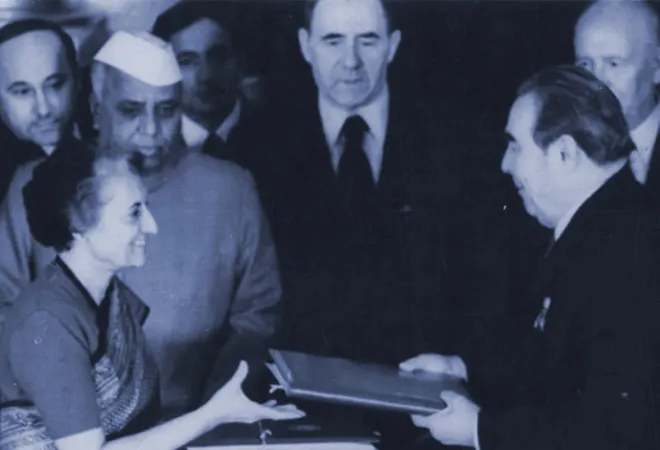
Soviet Foreign Minister Andrei Gromyko signed a historic treaty with India in 1971. This agreement prevented a three-front war and led to Bangladesh’s creation. The stakes were enormous during the Cold War era.
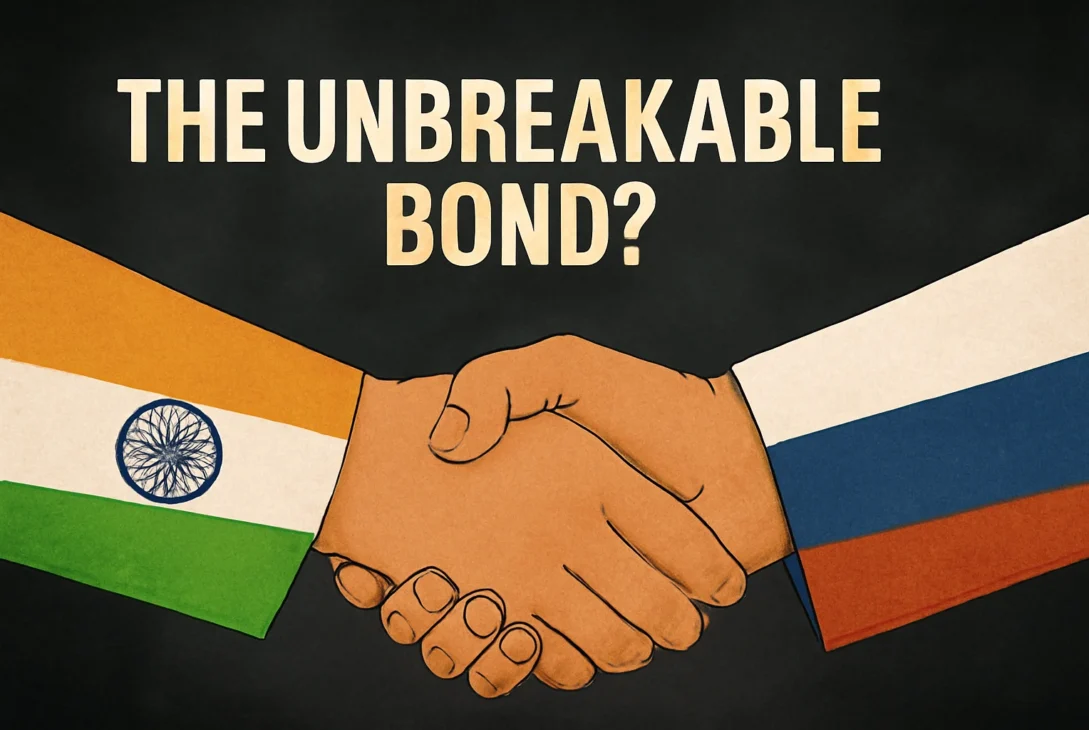
India-Russia relations began as a necessity and evolved into one of history’s most enduring partnerships. From military alliances to economic cooperation, both nations built strategic ties spanning over seven decades. However, today’s geopolitical landscape presents new challenges to this friendship.
This article explores how India and Russia became close allies. We examine the forces threatening this bond and assess whether this partnership can survive modern pressures.
India’s Post-Independence Struggles
India gained freedom on August 15, 1947. Partition tore the subcontinent apart, leaving the nation bleeding. The economy was shattered, and millions became refugees overnight.
Colonial exploitation had drained India’s wealth for centuries. The newly independent nation struggled to rebuild and find its place globally. Support was desperately needed—economic, military, and diplomatic.
Searching for Allies in a Divided World
The Cold War divided the world into opposing blocs. Prime Minister Jawaharlal Nehru adopted socialist development policies. The West viewed this approach as dangerously close to communism.
India refused to join any major power bloc. The Non-Aligned Movement represented this neutral stance. However, this neutrality came at a high cost.
The United States dismissed India as a potential ally. Instead, America backed Pakistan, which joined the anti-Soviet bloc. U.S. military aid flowed into Islamabad continuously.
India found itself isolated and surrounded by hostile neighbors. Global powers largely ignored New Delhi’s concerns. The Soviet Union stepped in to fill this vacuum.
Early Soviet Support
The USSR began providing assistance as early as the 1950s. Soviet technical expertise helped establish India’s industrial base. This support laid the foundations for India’s industrial future.
India-Russia relations’ history shows consistent Soviet backing during crucial moments. The partnership addressed India’s immediate development needs. It also provided strategic balance against Western-backed Pakistan.
Industrial and Scientific Collaboration
The Soviet Union helped India build critical infrastructure rapidly. The Bhilai Steel Plant opened in 1959 as a major industrial hub. The Bokaro Steel Plant followed in 1964.
The Heavy Engineering Corporation started operations in 1958. It boosted India’s industrial machinery production significantly. Bharat Heavy Electricals Limited also emerged with Soviet technical support.
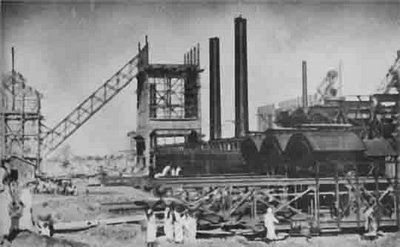
Source: Bhilai Online
Space Exploration Partnership
The USSR trained Indian scientists in space technology. Aryabhata, India’s first satellite, launched in 1975 with Soviet help. This marked India’s entry into space exploration.
The partnership reached new heights in 1984. Cosmonaut Rakesh Sharma became the first Indian in space. He traveled aboard the Soviet Soyuz T-11 spacecraft.
These achievements demonstrated the depth of Indo Soviet relations. Technology transfer accelerated India’s scientific capabilities. The collaboration created lasting institutional knowledge.
Diplomatic Support on the Global Stage
The Soviet Union consistently backed India on territorial issues. In 1957, the USSR vetoed a UN resolution on Kashmir. This firmly supported India’s sovereignty claims.
Portugal sought international intervention during Goa’s liberation in 1961. The USSR used its veto power again. Similar support came in 1962 regarding the Kashmir resolutions.
Preventing International Interference
Soviet diplomatic cover proved invaluable for India. The Kashmir issue remained bilateral between India and Pakistan. International pressure couldn’t tilt the balance against India.
This diplomatic backing strengthened India’s and Russia’s strategic partnership foundations. The USSR demonstrated reliable friendship through concrete actions. India gained confidence in Soviet commitments.
Military Modernization and Security Threats
India’s security situation deteriorated during the early 1960s. Pakistan, heavily armed by America, grew increasingly aggressive. Chinese troops occupied Tibet in 1950, reaching India’s borders.
The 1962 Chinese invasion proved catastrophic for India. China attacked territories in Ladakh and Arunachal Pradesh. India urgently needed military modernization.
Soviet Military Assistance
Western nations refused to help India’s defense needs. Aging British-era equipment and outdated aircraft left India vulnerable. The Soviets stepped up when needed most.
The USSR began supplying MiG-21 fighter jets in 1962. Critical technology transfers enabled local manufacturing. Defense deals continued with T-54 and T-72 tanks.
Later upgrades produced T-90 Bhishma tanks for India. The Navy acquired Foxtrot-class submarines and Kashin-class destroyers. India-Russia defence cooperation deepened significantly.
Modern Defense Equipment
Russia supplied Sukhoi Su-30 fighter jets starting in 1996. Licensed production in India followed soon after. The BrahMos supersonic cruise missile became a joint development success.
India acquired the INS Vikramaditya aircraft carrier in 2004. The $5.4 billion S-400 missile system deal came in 2018. Russia remains India’s largest arms supplier today.
Between 2017 and 2022, Russian equipment comprised 45% of India’s imports. The Stockholm International Peace Research Institute confirmed these figures. Defense ties remain the partnership’s strongest pillar.
The 1971 Crisis and Bangladesh Liberation
East Pakistan spiraled toward collapse during the early 1970s. Political neglect, economic exploitation, and cultural suppression fueled rebellion. The situation couldn’t be contained much longer.
Operation Searchlight launched on March 25, 1971. The Pakistani military’s brutal crackdown killed over three million people. Millions more fled to India as refugees.
The Indo-Soviet Treaty
Refugee camps swelled beyond India’s capacity to manage. The crisis demanded immediate attention and action. Western nations, especially America, backed Pakistan unconditionally.
India is prepared for a potential war on two fronts. Pakistan and China both posed military threats simultaneously. No Western nation offered to help India.
The Indo Soviet Treaty of 1971 changed everything dramatically. Signed in August 1971, it guaranteed mutual defense support. Article 9 committed the USSR to support if India faced an attack.
This treaty reshaped South Asian power dynamics completely. India gained the strategic backing it desperately needed. The balance of power shifted decisively.
The 1971 War and Soviet Support
Pakistan launched surprise air attacks in December 1971. Prime Minister Indira Gandhi immediately declared war on Pakistan. The Indian military adopted a defensive strategy in the west.
The eastern offensive aimed to liberate East Pakistan. Indian forces crushed Pakistani resistance on both fronts. The USSR provided unwavering military and diplomatic backing.
Soviet Diplomatic Cover
The Soviets vetoed three consecutive UN Security Council ceasefire resolutions. These vetoes prevented a premature halt to Indian operations. India could complete its military objectives.
The United States deployed its 7th Fleet on December 11. The nuclear-powered USS Enterprise headed toward the Bay of Bengal. This aimed to force the Indian troop withdrawal.
Soviet nuclear-armed submarines, cruisers, and destroyers responded immediately. They moved toward the Indian Ocean to intercept American warships. This prevented American intervention decisively.
Creation of Bangladesh
India achieved its objective of liberating East Pakistan. Bangladesh emerged as a new independent nation. Ninety-three thousand Pakistani soldiers surrendered to India.
This represented the largest military surrender since World War II. The 1971 war marked the high point of India-Soviet friendship. Both nations demonstrated their commitment to each other.
Mutual Support in International Relations
The India-Russia friendship wasn’t one-sided historically. The USSR used its veto power to shield India repeatedly. New Delhi stood by Moscow in return.
India abstained from UN resolutions condemning Soviet actions. This included the Hungarian uprising in 1956 and Czechoslovakia invasion in 1968. India backed Moscow during the Afghanistan invasion in 1979.
Continued Support in the Modern Era
This approach continued into the 21st century consistently. India maintained neutrality on the Russo-Georgian War in 2008. A similar stance followed Crimea’s annexation in 2014.
India has refused to condemn Russia’s Ukraine invasion since 2022. New Delhi calls for peace and dialogue instead. This demonstrates enduring strategic partnership values.
India balances ties with Russia and growing Western partnerships. This diplomatic tightrope requires careful navigation. Historical bonds influence current foreign policy decisions.
Post-Soviet Era Challenges
The Soviet Union’s collapse in 1991 tested the special relationship. Global alliances shifted in unexpected ways rapidly. New challenges emerged for India-Russia ties.
Russia-China relations deepened significantly after 2014. The two countries declared a “no limits” partnership before the Ukraine invasion. This development concerned India deeply.
Russia-Pakistan Military Cooperation
China’s aggressive behavior along the Line of Actual Control intensified. Its deepening ties with Pakistan posed strategic threats. Russia’s actions complicated matters further.
Russia sold four Mi-35 attack helicopters to Pakistan in 2015. This marked the first significant Russian-Pakistani military deal. India expressed serious concerns about this development.
Joint military exercises called “Friendship” began in 2016. Russian and Pakistani troops train together annually now. Russia expanded defense ties with Islamabad despite Indian protests.
These developments raised questions about Moscow’s priorities. India’s strategic calculus needed reassessment and adjustment. The partnership faced unprecedented pressures.
Military Procurement Challenges
India’s reliance on Russian equipment brings both benefits and problems. Expensive maintenance, broken promises, and delays plague procurement. Several high-profile cases illustrate these issues.
INS Vikramaditya Acquisition
The Admiral Gorshkov was decommissioned by Russia in 1996. India negotiated to buy and refurbish it in 2004. The initial cost was set at $974 million.
Extensive structural repairs and outdated technology caused problems. Retrofit delays and cost overruns ballooned expenses dramatically. The final cost reached $2.3 billion by 2010.
Delivery was delayed by over five years total. Even after the 2013 induction, expensive maintenance continued. It became one of India’s costliest military purchases ever.
Fifth Generation Fighter Aircraft Failure
India and Russia launched this project in 2007. The goal was to co-develop stealth fighters based on the Su-57. India hoped to modernize its air force significantly.
Russia refused key technology transfers to India. The Indian Air Force raised concerns about stealth features. India withdrew from the project in 2018.
The withdrawal cost India over $295 million in research. Hope of acquiring stealth fighters disappeared temporarily. This failure highlighted partnership vulnerabilities.
Balancing Russia and Western Powers
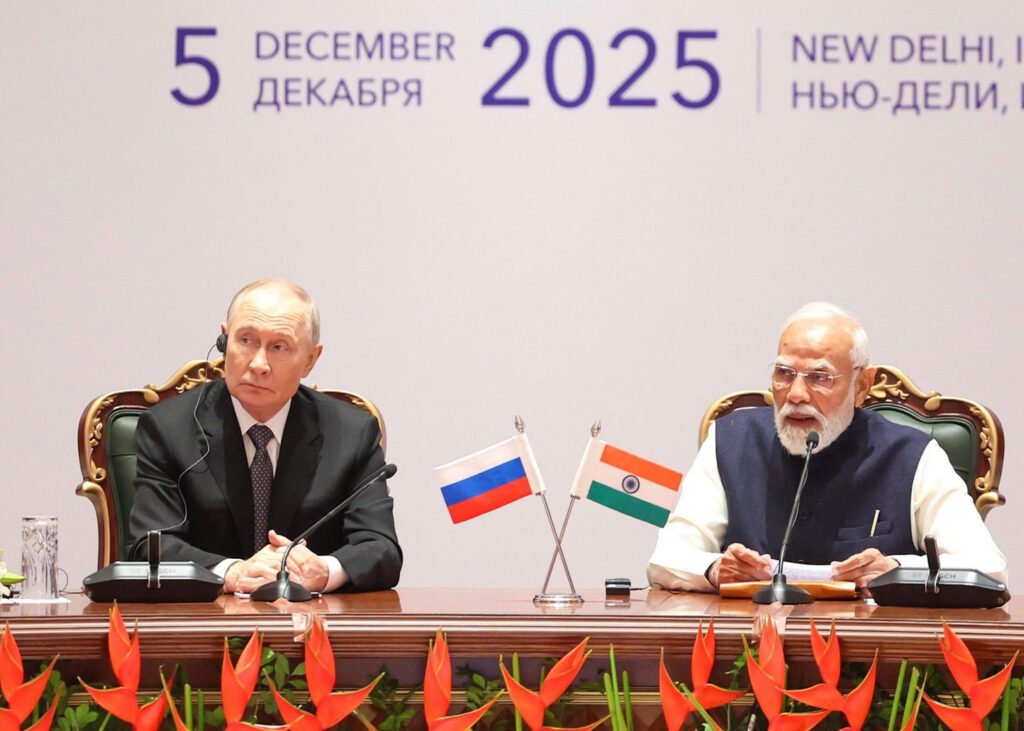
Despite Moscow’s shifting alliances, India maintains strategic ties. The U.S. and allies imposed sweeping sanctions on Russia. India refused to condemn Moscow’s Ukraine invasion.
India ramped up Russian oil imports at discounted prices. This helped keep Russia’s economy afloat during sanctions. India emerged as a rising global power.
Diversifying Arms Imports
India strengthens partnerships with America, France, and Israel. Arms imports are strategically diversified across suppliers. Rafale jets came from France recently.
Advanced drones were acquired from the United States. Yet Russia remains India’s largest arms supplier still. The relationship retains strategic value for both nations.
Russia recently supported India on Khalistani activities intelligence. U.S.-based terrorist Gurpatwant Singh Pannun threatened Russia over this cooperation. Such collaboration reflects enduring partnership value.
Conclusion
India-Russia relations represent a unique partnership built over decades. Shared interests and mutual respect shaped this bond. The strongest alliances face new challenges constantly.
The global balance of power continues shifting rapidly. Russia’s ties with China and Pakistan create complications. India’s self-reliance push changes traditional equations.
Yet the partnership has proven remarkably resilient historically. It evolves to meet new geopolitical realities. Both nations continue to find value in cooperation.
In geopolitics, permanent interests matter more than permanent friends. The India-Russia strategic partnership serves both nations’ interests. Historical bonds, defense cooperation, and mutual respect endure despite modern pressures.