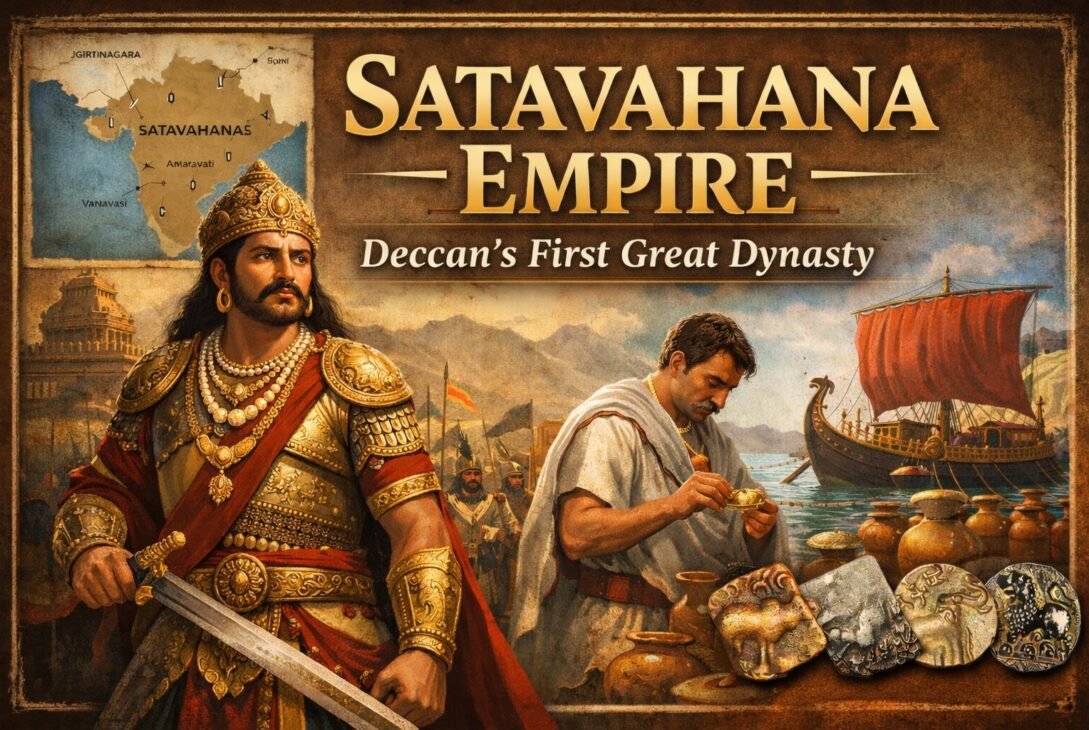
Introduction: The Power That Rose After the Mauryas
After the mighty Mauryan Empire collapsed in India, a power vacuum emerged across the subcontinent. Two dynasties seized this opportunity brilliantly. The Kushan Dynasty dominated the north while the Satavahana Dynasty established control over the Deccan plateau.
According to Hindu scriptures, the Satavahana empire witnessed an extraordinary reign. Thirty kings ruled consecutively for approximately 400 years. This remarkable longevity made them one of ancient India’s most enduring dynasties.
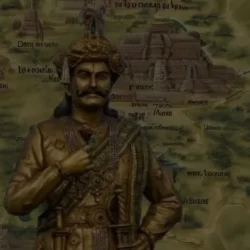
The dynasty took its name from its founding emperor, Satavahana. However, the first truly notable ruler was King Simuka. He transformed a regional power into a Deccan ancient kingdom that would shape South Indian history for centuries.
This is the story of India’s first great Deccan empire its conquests, cultural innovations, economic prosperity, and eventual decline.
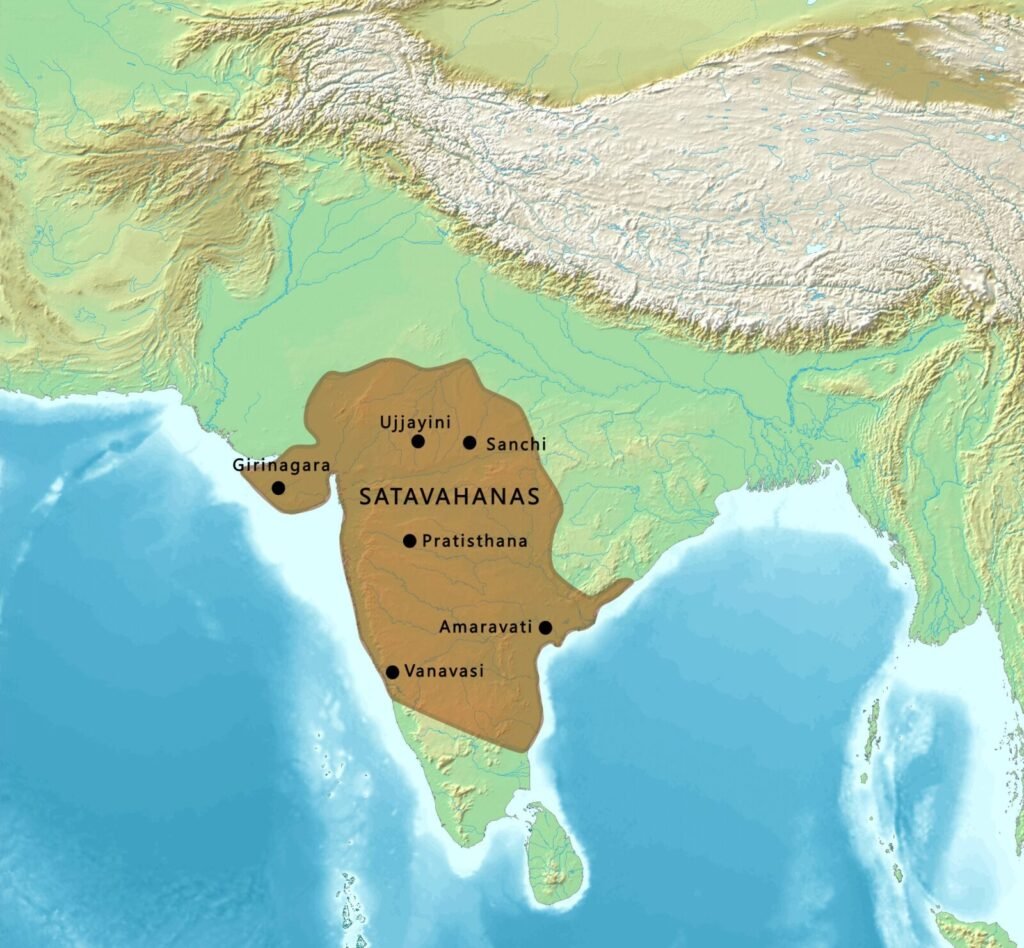
Source:wikipedia
Origins & Early Rule: Simuka, the First Dakshinapathpati
Simuka’s Strategic Consolidation
King Simuka became the first significant ruler of the Satavahana Dynasty. He governed a considerable portion of the Indian peninsula systematically. More importantly, he earned a prestigious title that reflected his authority and influence.
Simuka became the first king to bear the title “Dakshinapathpati” Lord of the Southern Path. This designation signified his control over the crucial trade routes connecting northern and southern India.
His political genius lay in unification rather than mere conquest. Local governors controlled various territories across the Deccan. These powerful rulers were known as Maharathis or Mahabhojakas. Simuka brought them all under Satavahana authority through diplomacy and strategic alliances.
Early Territorial Expansion
By Simuka’s reign, the empire had expanded substantially. In the west, the Satavahana territory reached as far as Nashik. Eastward, they covered the entirety of present-day Andhra Pradesh. This geographic spread gave them control over both coastal and inland regions.
Simuka’s son Satakarni was too young to rule upon his father’s death. Consequently, Simuka’s brother Kanha assumed the throne as regent. Kanha continued the expansion policies faithfully. The empire grew steadily during his regency period.
Expansion Under Satakarni I & Matrilineal Influence
A Young King Proves His Mettle
After Kanha’s rule ended, his nephew Satakarni finally ascended the throne. This young king would face his first major challenge immediately. The powerful king of Kalinga, Khaaravela, invaded Satavahana territory.
Khaaravela’s army entered Vidarbha’s borders aggressively. They captured local rulers who were Satakarni’s allies. The situation looked dire for the young emperor. However, King Satakarni showcased remarkable bravery in this crisis.
He personally led his forces against the Kalingan invaders. Through skilful military strategy and courage, Satakarni stopped the invasion completely. He proved his leadership capabilities decisively in this first test.
The Name That Defined a Dynasty
Satakarni’s bravery impressed the entire kingdom profoundly. As a result, his family was renamed after him. From that point forward, subsequent kings of the Satavahana Dynasty added “Satakarni” to their own names.
This practice honoured the king who proved the dynasty’s military strength. It also created a distinctive naming convention that historians use today to identify different Satavahana rulers.
A Devout Hindu King
King Satakarni practised Hinduism devotedly. He performed numerous Vedic sacrifices throughout his reign. Additionally, he engaged in extensive charitable activities. His religious rituals often included his queen, Naganika, who participated actively.
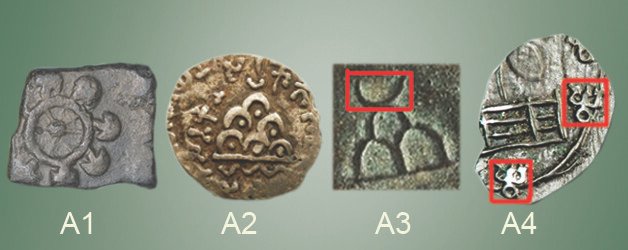
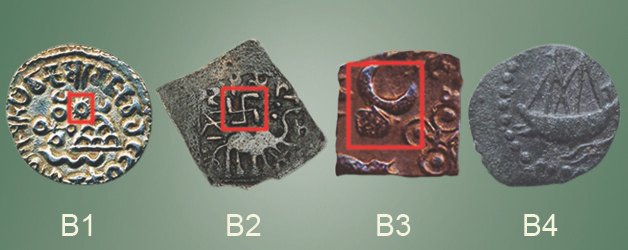
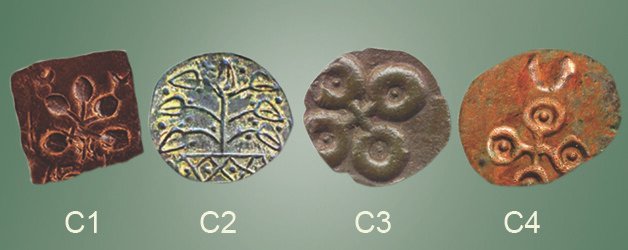
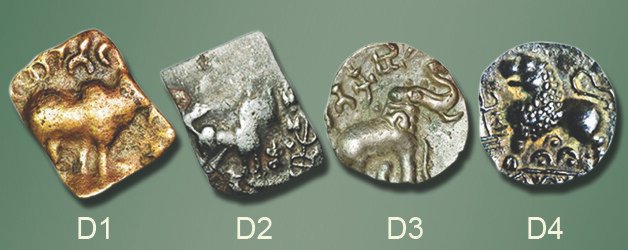
Interestingly, Satavahana coins from this period featured both the king’s and queen’s names. This joint representation was unusual for ancient Indian coinage. It demonstrated the unique status women held in Satavahana society.
Women in Power: Queen Naganika’s Regency
A Fifteen-Year Regency
After King Satakarni’s death, something extraordinary occurred. His queen, Naganika, didn’t retire to the palace’s inner chambers. Instead, she actively governed the empire as regent.
For fifteen years, Queen Naganika ruled on behalf of her minor son, Vedi-sri. She handled administrative matters, diplomatic relations, and military decisions. Her successful regency demonstrates women’s prominent position in Satavahana society.
The Matrilineal System
This wasn’t merely an exception to patriarchal norms. The Satavahana empire followed a fundamentally different social structure. While North India’s Aryan society practised patrilineal succession, the Satavahanas maintained matrilineal traditions.
In this system, mothers enjoyed greater importance than fathers. Kings were customarily named after their mothers rather than fathers. This practice reflected deeper cultural values about women’s roles in society.
The matrilineal structure gave women legal rights, property ownership, and political authority. Queens weren’t just symbolic figures they were genuine power holders. This progressive system distinguished the Satavahanas from most contemporary Indian kingdoms.
Conflict with Sakas & Revival Under Gautamiputra Satakarni
The Saka Threat
After Satakarni I, several kings ruled the dynasty. However, none maintained the empire’s strength effectively. Meanwhile, a new threat emerged from Central Asia. The Sakas established control over substantial portions of Western India.
Constant warfare with the Sakas gradually weakened the Satavahanas. By the time Gautamiputra Satakarni ascended the throne, the situation had deteriorated badly. The Sakas had defeated Satavahana forces decisively.
Chief Nahapana, a powerful Saka ruler, had captured both Nashik and Pune. These strategically important cities represented the heart of the Satavahana western territories. The empire faced its greatest crisis since its founding.
Gautamiputra’s Military Campaign
Gautamiputra Satakarni proved to be exactly the leader the dynasty needed. He strengthened his military forces methodically. First, he invaded and secured Vidarbha to consolidate his base.
Then he marched against Nahapana with overwhelming force. The two armies met in a decisive battle near Govardhana in Nashik. Gautamiputra’s forces achieved a crushing victory. Nahapana fled to Malwa’s hilly regions in defeat.
Personal Vengeance and Complete Victory
Historical accounts suggest a personal dimension to this conflict. Nahapana had allegedly abducted Gautamiputra’s wife, Rajyalakshmi. This act enraged the Satavahana king beyond measure.
Gautamiputra pursued Nahapana relentlessly. He not only killed the Saka chief but also eliminated his entire family. This brutal act removed the Saka Dynasty from Southern India permanently.
Gautami Bala Sri’s Buddhist Caves
This dramatic episode was commemorated in Buddhist caves. Gautamiputra’s mother, Gautami Bala Sri, had these caves constructed. They depicted her son’s victorious campaign against the Sakas.
These remarkable caves still exist in Nashik today. They represent both artistic achievement and historical documentation. Moreover, they demonstrate Buddhism’s continued influence despite the dynasty’s Hindu rulers.
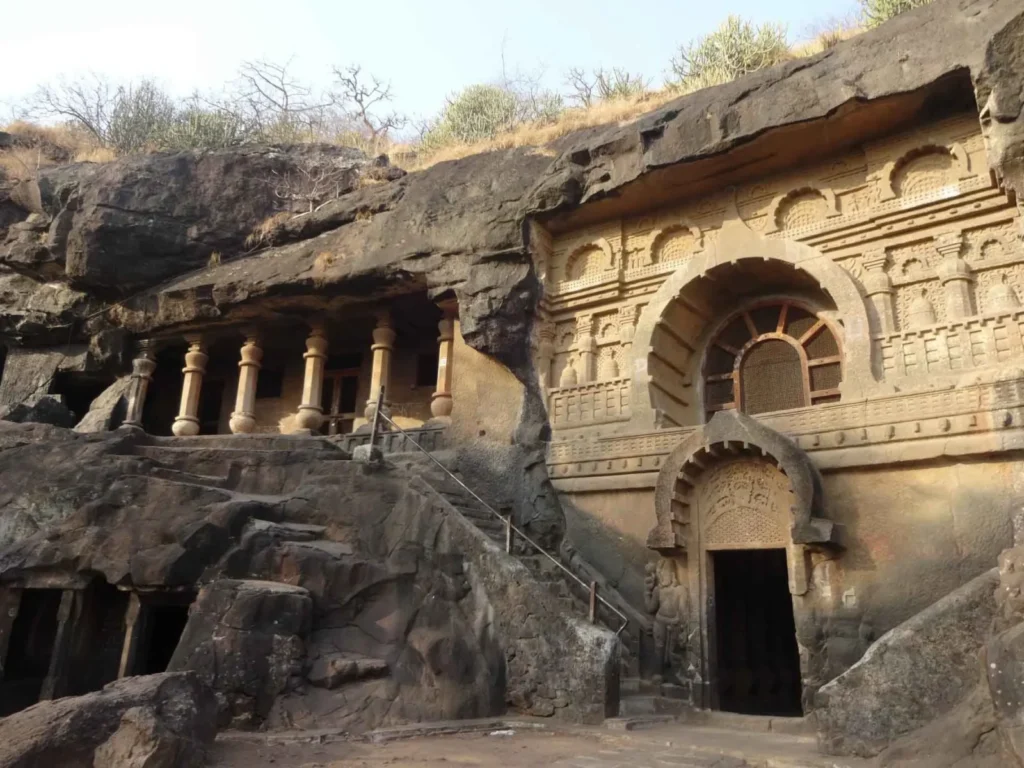
Source: Dr Anshublog
Trade, Ports & Economic Prosperity
Control of Strategic Ports
Gautamiputra Satakarni didn’t just defeat the Sakas militarily. He also captured the world’s most important ports of that era. Three ports proved especially valuable: Bhrigukachchha (modern Bharuch), Kalyan, and Shurparaka.
All three ports were flourishing centres of international trade. They connected India with the Roman Empire, Southeast Asia, and East Africa. Control of these ports brought immense wealth to the Satavahana empire.
The Roman Connection
During King Yagyashri’s reign, the Satavahana economy reached its zenith. Port development and luxury goods manufacturing advanced significantly. India became famous for specific exports that the Romans desperately wanted.
Indian silk was particularly prized in Rome. Additionally, spices, luxury goods, and other commodities flowed westward. The Romans paid enormous quantities of gold for these Indian products.
The Gold Drain Crisis
Every year, substantial amounts of gold and silver flowed from Rome to India. This trade imbalance created a financial crisis in the Roman Empire. Their treasury was being drained to satisfy demand for Indian luxury goods.
Finally, the Roman emperor took drastic action. He banned silk imports entirely to stop the financial hemorrhage. This decision demonstrated how dependent the Romans had become on Indian trade goods.
The Satavahana trade with Rome made the dynasty incredibly wealthy. This prosperity funded temple construction, military expansion, and cultural patronage. The dynasty became known far and wide for its economic power.
Cultural & Religious Contributions
Religious Tolerance
The Satavahanas demonstrated remarkable religious flexibility. Despite being devout Hindus themselves, rulers patronised Buddhism extensively. Gautami Bala Sri’s Buddhist caves exemplify this tolerance.
Vedic sacrifices coexisted with Buddhist monasteries peacefully. This pluralistic approach created a culturally rich environment. Both Hindu and Buddhist institutions flourished under Satavahana patronage.
Numismatic Innovations
Satavahana coins provide valuable historical insights today. They featured bilingual inscriptions in Prakrit and sometimes Greek. The joint representation of kings and queens on coinage was revolutionary.
These coins circulated widely across trade networks. They helped standardise commercial transactions. Moreover, they served as propaganda tools showcasing royal authority and legitimacy.
Artistic and Literary Patronage
The dynasty supported arts and literature generously. Sanskrit and Prakrit literature flourished during this period. Cave architecture reached new heights of sophistication.
The Nashik caves represent only one example of Satavahana architectural patronage. Numerous other cave complexes and temples were constructed. These monuments influenced later South Indian architectural traditions significantly.
Decline & Fragmentation After Yagyashri
The Beginning of the End
Like every powerful dynasty in history, the Satavahanas eventually declined. After Yagyashri’s death, the empire couldn’t maintain its unity. The vast territories began fragmenting into smaller kingdoms.
The central authority weakened progressively. Local governors declared independence gradually. The carefully constructed empire began crumbling from within.
Rise of Feudatory Dynasties
This fragmentation created opportunities for subordinate dynasties. Former feudatories asserted their independence successfully. Three dynasties particularly benefited from the Satavahana collapse.
The Abhiras established their rule in the southwest regions. The Ikshvakus took control of the Andhra Pradesh territories. Meanwhile, the Chutus governed Kuntala independently.
Each successor dynasty claimed portions of the former Satavahana territory. The unified Deccan empire ceased to exist as a single political entity.
Legacy: What the Satavahanas Left Behind
Economic Infrastructure
Despite political fragmentation, economic systems survived. The business and trade networks established during the Satavahana rule continued functioning. These commercial connections even flourished further during the subsequent Kushan era.
The ports remained important trade centres. Merchant guilds maintained their organisational structures. The economic foundation laid by the Satavahanas proved remarkably durable.
Cultural Continuity
Satavahana cultural contributions endured long after their political power ended. The matrilineal traditions influenced South Indian societies for centuries. Buddhist cave architecture set standards for future generations.
Their coins remained in circulation for decades. The administrative systems they developed were adapted by successor states. The dynasty’s cultural impact far exceeded its political lifespan.
Historical Significance
The Satavahana Dynasty bridged the gap between the Mauryan and later empires. They proved that Deccan could sustain a large-scale political organisation. Their 400-year reign demonstrated remarkable governmental stability.
They connected North and South India economically and culturally. Their trade networks integrated India into broader Asian and Mediterranean economic systems. This connectivity transformed India’s economic trajectory permanently.
Conclusion: The Deccan’s First Great Empire
The Satavahana Dynasty ruled the Deccan for four centuries with remarkable success. From Simuka’s initial consolidation to Gautamiputra Satakarni’s dramatic revival, the dynasty demonstrated resilience and adaptability.
Their matrilineal social structure gave women unprecedented authority in ancient India. Queens like Naganika ruled as regents successfully. This progressive approach distinguished the Satavahanas from contemporary kingdoms.
Economically, they transformed India into a global trading powerhouse. Roman gold flowed into India in exchange for silk and spices. The ports they controlled became gateways connecting civilisations.
Culturally, they supported both Hindu and Buddhist institutions generously. The Nashik caves stand today as a testament to their artistic patronage. Their coins reveal sophisticated administrative systems and cultural values.
Though the empire eventually fragmented, its legacy endured. Successor dynasties built upon Satavahana foundations. The economic networks they established continued thriving for centuries.
The Satavahanas proved that the Deccan could sustain political greatness independently. They created the template for future South Indian empires. Their story deserves recognition as a foundational chapter in Indian history.
Which aspect of Satavahana civilisation fascinates you most: their matrilineal society, Roman trade connections, or military revival under Gautamiputra? Share your thoughts in the comments below.