Introduction: The Defiant Tiger Who Refused to Bow
At the end of the 18th century, South India echoed with cannon fire. Gunpowder smoke filled the air. Swords flashed in deadly arcs. Amidst this chaos, one name struck terror into British hearts: Tipu Sultan, the Tiger of Mysore.
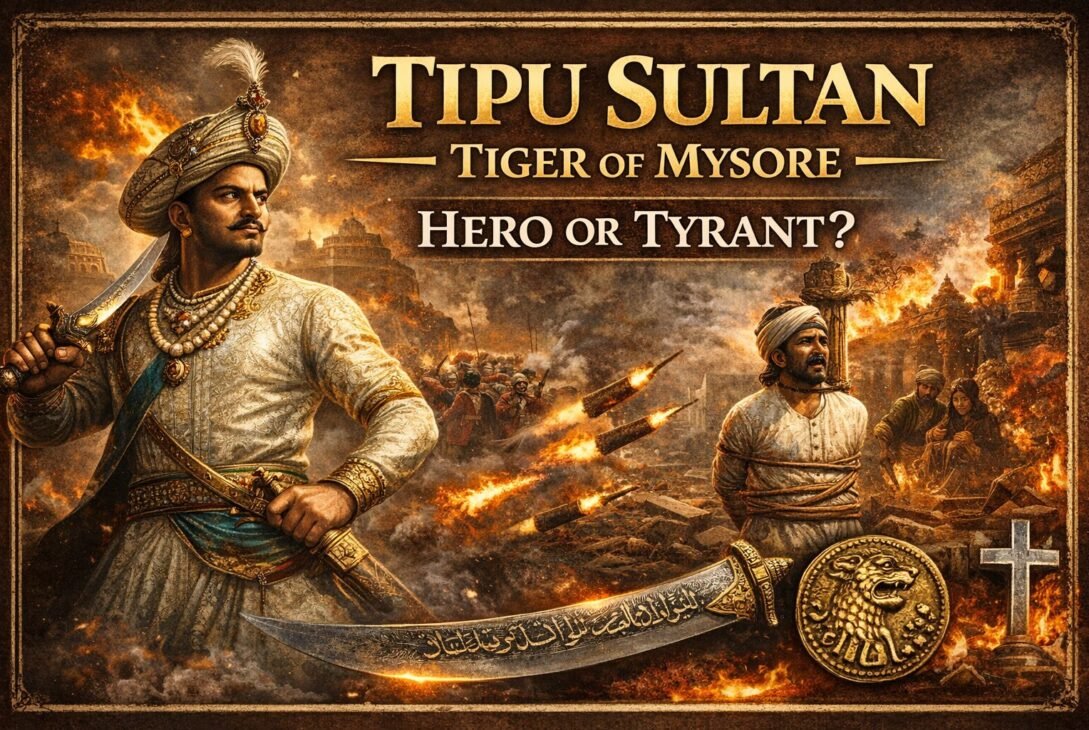
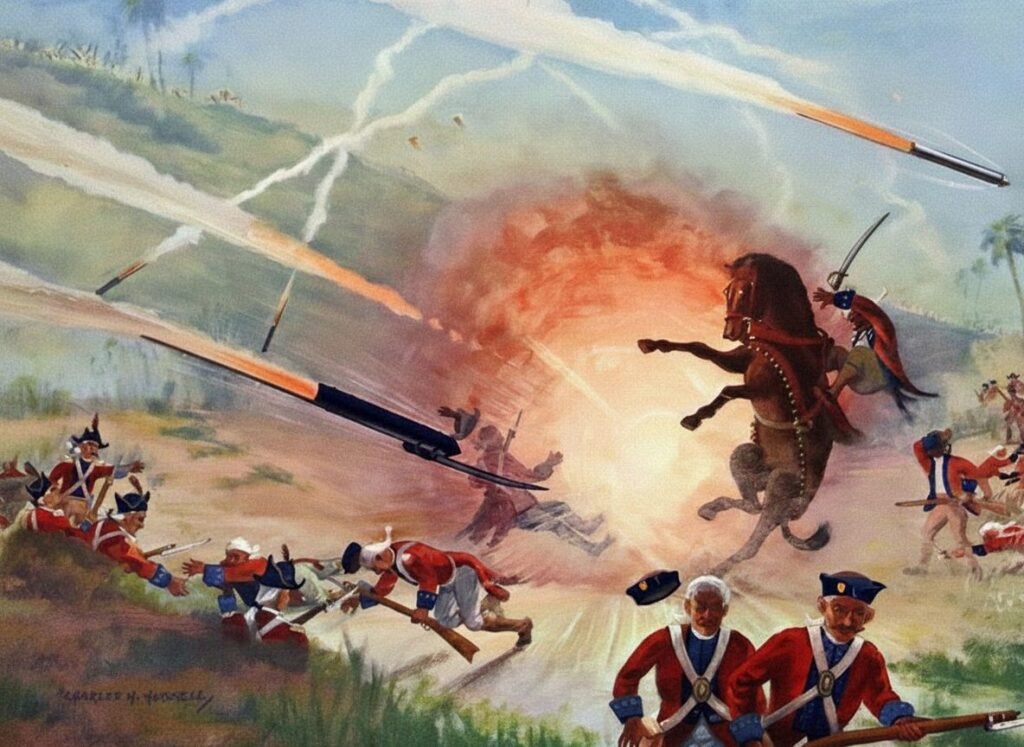
His sword was so sharp that British soldiers trembled facing him. During the Battle of Pollilur, Tipu Sultan’s rockets rained fire on the British army. Smoke engulfed the entire battlefield. For the first time, the British suffered devastating losses from an Indian weapon.
This warrior built roads, dug canals, expanded trade, and strengthened Mysore’s economy even during wartime. While most Indian rulers gradually succumbed to British power, Tipu Sultan stood defiant. He preferred losing his head over bowing it.
However, Tipu’s story doesn’t end with heroism. He was simultaneously a brave, visionary, reform-minded ruler and a feared religious zealot. His wrath fell heavily on Hindus and Christians. He was called a cruel jihadist who forced thousands to convert to Islam. He demolished temples in Kodagu, burned churches, and changed city names.
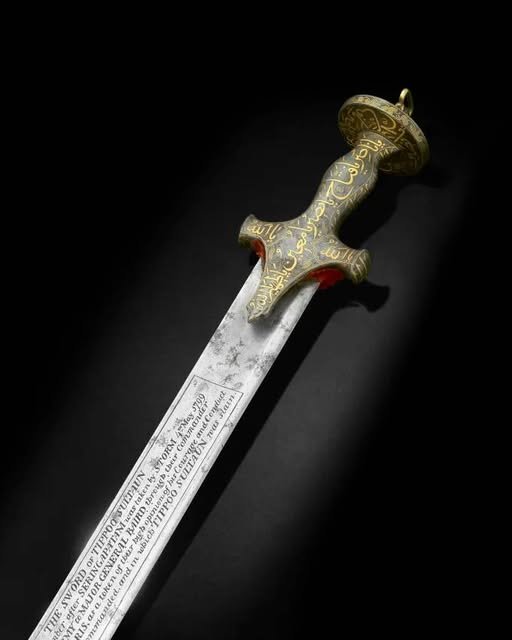
His sword bore the inscription: “My victorious sword is a lightning strike for the infidels.” His letters called for Jihad. Persian dominated his court.
This raises profound questions: Was Tipu Sultan India’s first visionary rocket scientist? Or a religious fanatic who forced conversions? Was he a patriotic hero or history’s most controversial ruler?
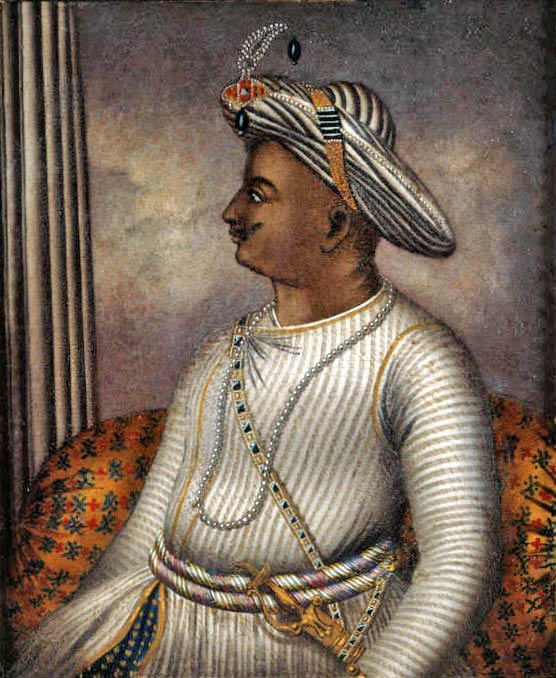
Source: wikiquote
Early Life & Rise: The Making of a Warrior Prince
Born into War
Mid-18th century South India endured tumultuous times. The Mysore Empire battled powerful forces—the Marathas, Nizams, and British East India Company. Battlefields rumbled with sword clashes and cannon fire. Conspiracies lurked everywhere.
Both the British and French competed to plant their imperial flags on India’s prosperous land. In this chaotic period, on November 20, 1750, Tipu Sultan was born in Devanahalli at a military leader’s residence.
He was named Sultan Fateh Ali at birth. However, after the local Muslim saint Tipu Mastan Aulia, he became lovingly known as Tipu Sultan.
Hyder Ali’s Son
Tipu’s father, Hyder Ali, was an extraordinary Mysore soldier. He defeated the Maratha army in 1758. This magnificent victory made Hyder Ali Mysore’s commander-in-chief. Subsequently, he became Sultan and by 1761, the undisputed ruler of the Mysore state.
Young Tipu grew up where power, military strategy, and diplomacy dominated everything. War clouds surrounded him constantly. Little Tipu witnessed his father’s bravery daily.
Education of a Future Sultan
Hyder Ali wasn’t highly educated himself. However, he ensured his son received the best education available. Tipu’s studies weren’t limited to religious instruction. He learned warrior skills—horse riding, sword fighting, and shooting. He mastered the Urdu, Persian, and Arabic languages.
French military advisors trained Tipu in modern warfare strategies. The French were Mysore’s allies against the British. They taught Tipu artillery techniques and military organization. At a young age, Tipu’s mind developed into that of a warrior and strategist.
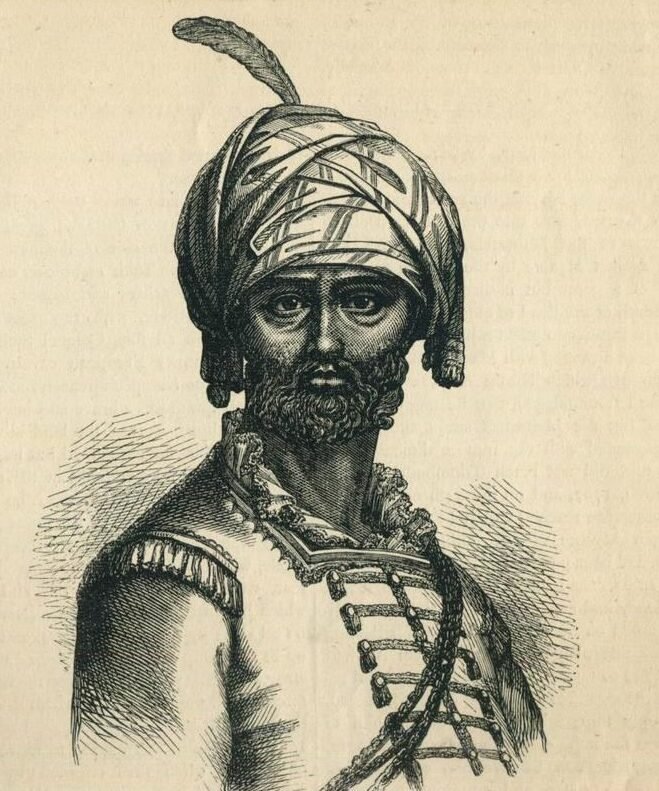
First & Second Anglo-Mysore Wars: A Teenage Commander
Baptism by Fire (1767)
The British East India Company slowly strengthened its Indian roots. Mysore became a major obstacle to British ambitions. Consequently, the British formed an alliance with the Marathas and the Nizam of Hyderabad to attack Mysore.
Mysore stood alone against these three powers. The First Anglo-Mysore War began in 1767. Hyder Ali included his 16-17-year-old son Tipu in the battle.
At such a young age, Tipu entered the war zone. He showed the world his extraordinary courage. During a Malabar attack, he led 2,000-3,000 soldiers. He employed his small unit in hit-and-run raids, disrupting British troop coordination.
Early Military Genius
His cleverness was remarkable. He imprisoned Malabar’s chief’s family in a heavily guarded fort. This victory forced Malabar’s chief to surrender. Local leaders knelt before Mysore’s power.
Hyder Ali felt immense pride in his son’s achievement. He entrusted Tipu with the command of 500 cavalrymen. Additionally, he placed five Mysore districts under Tipu’s administration.
Diplomatic Victory
Tipu proved he could fight with both sword and diplomacy. During the First Anglo-Mysore War, the British had allied with the Nizam and Marathas. Hyder Ali wanted to break this alliance, isolating the British for easier defeat.
Hyder Ali somehow established peace with the Marathas. He gave Tipu responsibility for bringing the Nizam to Mysore’s side. The young prince offered cash, jewelry, ten horses, and five trained elephants as royal gifts.
Tipu’s oratory and diplomatic skills were exceptional. In just one week, he convinced the Nizam to ally with Mysore against the British. After this success, the British stood alone. Mysore’s army raided coastal areas, capturing British capitals and cities sequentially.
Their army besieged Madras. The British endured such pressure that they signed the humiliating Treaty of Madras in 1769. This treaty restored pre-war borders and affirmed Mysore’s power. This was Tipu’s first major victory, establishing him as a rising warrior.
The Battle of Pollilur (1780)
The Treaty of Madras deeply concerned the British. They didn’t remain quiet but began planning new strategies. British East India Company’s growing colonial ambitions and anti-Mysore tactics sparked war again.
Hyder Ali felt threatened by British expansionist policies. He started the Second Anglo-Mysore War by attacking the British ally of Karnataka. In this war, 30-year-old Tipu Sultan, now an expert warrior, stood with his father like a storm.
During the Battle of Pollilur in September 1780, Tipu fought Colonel William Bailey’s combined British-Indian army of 10,000 soldiers. Tipu’s army possessed better guns, superior artillery, and far advanced cavalry.
The Rocket Scientist: Innovation in Warfare
Revolutionary Military Technology
Tipu Sultan’s greatest weapon was his rockets. These iron-pipe missiles were the era’s most powerful weapons. They were filled with gunpowder and could destroy enemies up to 2 kilometers away.
About 200 rocket men accompanied each Mysore infantry brigade. There were 16-24 total brigades. Soldiers could even fire rockets from camels, which shocked the British profoundly.
The Pollilur Massacre
Tipu’s army attacked British gunpowder stores with powerful rockets. Massive explosions resulted. British artillery was completely destroyed. Hundreds of British soldiers died engulfed in rocket flames. British soldiers fled in terror.
Tipu’s cavalry attacked from the ground, completely destroying the British formation. Dust flew across the field. Cannon sounds echoed everywhere. Tipu rode his horse, shouting encouragement. His voice filled soldiers with new energy.
Tipu’s well-equipped army and lightning-fast strategy crushed the British. Pollilur was recorded as one of Britain’s fiercest Indian defeats. Of 4,000 British soldiers, 336 died, and the rest surrendered.
Legacy in Modern Rocketry
Fear of Tipu from Pollilur’s victory settled permanently in British soldiers’ minds. His 5-foot-7-inch stature and muscular arms symbolized Mysore’s invincible strength. Later, the British studied these rockets and created improved versions. This marked the beginning of modern military rocketry.
The fireball raised from Mysore’s earth became the foundation of world military technology. India’s Missile Man, Dr. A.P.J. Abdul Kalam, said Tipu Sultan was the world’s first real war rocket innovator.
Reforms & Vision: Building a Modern State
Infrastructure Development
When Tipu ascended Mysore’s throne on December 29, 1782, after his father’s death, huge responsibilities fell on his shoulders. However, Tipu not only preserved his father’s military heritage but also decided to make Mysore a modern, prosperous state.
He built roads that became strategic arteries for soldiers and lifelines for traders and farmers. Mysore’s villages are connected to cities and ports, boosting trade significantly.
Agricultural Revolution
Dams and canals were constructed, bringing greenery to drought-prone areas. Agriculture flourished. Farmers gained new life. His silk industry revolution made history.
He imported silkworm eggs from China. He transformed Mysore into a silk production center. Mysore’s sarees shone not only in India but worldwide. Mysore’s economy flourished exponentially.
Economic Modernization
Tipu Sultan started a new currency system. Gold, silver, and copper coins bore Mysore’s name and symbol. This created a unified monetary system across the state.
Military Innovations
Tipu revolutionized military technology. He made Mysore rockets even more advanced. He mastered mass launch tactics hundreds of rockets could launch simultaneously. For the British, these rockets became the scariest weapons ever.
Naval Development
Tipu focused on naval development. He started ship manufacturing in Mangalore and the coastal areas. This increased Mysore’s sea power substantially.
Global Diplomacy
His foreign policy was ahead of its time. He established diplomatic relations with the Ottoman Empire, France, and Afghanistan. He sent ambassadors to Istanbul. He planned to establish a trading colony in Basra, Iraq. He dreamed of making Mysore a global trade center.
To reduce British influence, he sought help from Afghanistan’s king and Turkey’s Sultan. Inspired by the French Revolution, Tipu later established the Jacobin Club in Mysore. This promoted liberty, equality, and fraternity ideals.
These steps made Mysore a disciplined, developed, and powerful state.
The Dark Side: Religious Policies and Forced Conversions
The Controversial Legacy
Like every coin has two sides, Tipu Sultan had two faces. The reformer, military innovator, and patron had another dangerous side. Many reports indicate Tipu showed religious-based strength in his rule.
Mass Conversions in Kodagu and Malabar
Thousands of Hindus and Christians were forcibly converted to Islam in Kodagu, Malabar, and Mangalore. Contemporary records indicate approximately 40,000 non-Muslims were mercilessly killed by Tipu’s orders. Another 40,000 people were forcibly converted.
Later, children and youth from converted populations were forcibly recruited into Tipu’s Ahmadi military units. People refusing to abandon their religion faced even worse fates.
Brutal Methods
Tipu Sultan tied Christians and Hindus without clothes to elephants’ legs. They were spun until their bodies broke into pieces. Many times, he destroyed the temples and churches of those who resisted.
In the Napoklu attack, Hindus were killed. Tipu burned the Bidda Tanda family houses in Betu and Kolakeri. He demolished about 8,000 temples during his lifetime. Many had gold, silver, and copper roofs with treasures buried beneath statues.
Documentary Evidence
This isn’t mere hearsay. Evidence exists in Tipu Sultan’s own written letters and records. His diary, books, and dream registers show deep hatred for non-Muslims. He believed doing Jihad against them was his religious duty.
His sword’s tip bore the inscription: “My victorious sword is a lightning strike for the infidels.” He repeatedly mentioned Jihad and Islamic unity in letters to Afghanistan’s Sultan and Turkey.
Cultural Islamization
Persian dominated Tipu’s court. Islamic festivals dominated. Hindu people feared his policies centered on Islam. Muslim officials received high positions and tax breaks. Meanwhile, Hindus and Christians were taxed heavily.
He attempted cultural Islamic dominance. He changed Mysore’s name to Nazarbad. Mangalore became Jalalabad. This attempted to erase Hindu identity. Local languages like Kannada were pushed aside, which shocked the local culture.
The Contradictory Evidence
However, it’s also true that he donated to many Hindu temples. He gave the Shrirangam temple a silver cup. He donated a Shiva Linga to the Nanjundeshwar temple. He provided land grants to many Hindu temples. He wore a 42-gram gold ring inscribed with “Ram” in Devanagari script.
Historical Debate
This is why historians’ opinions remain divided. Some say his harsh decisions were religiously motivated. Others believe Tipu Sultan wasn’t religiously extreme. They argue his objective wasn’t religious but political maintaining state uniformity and strengthening internal unity against external enemies.
Third & Fourth Anglo-Mysore Wars: Defeat and Betrayal
The Third War (1789-1792)
The Treaty of Mangalore between the British and Tipu couldn’t last long. Tensions constantly escalated. New war clouds gathered. The situation worsened when Tipu attacked Travancore in 1789.
This attack directly challenged the British because Travancore was their allied state. Subsequently, the Third Anglo-Mysore War broke out. However, this time Tipu didn’t have his father’s guidance. He had to prepare for war alone.
The British, Maratha, and Nizam’s combined forces presented enormous challenges. French help was weak because France was entangled in its own revolution.
The Siege of Srirangapatna
Tipu fought hard against all three armies initially. His army tried to stop the British in Coimbatore. However, in 1790, the British captured the area. Tipu launched several retaliatory attacks against British commander Lord Cornwallis.
Nevertheless, the United Alliance’s power overwhelmed him. The war dragged on until 1792. Combined British, Maratha, and Nizam forces reached Srirangapatna’s city walls—Mysore’s capital.
Gunpowder smell spread through the air. Tipu Sultan’s army was prepared to fight until the last breath inside the fort. Midnight, Lord Cornwallis silently attacked. British soldiers climbed fort walls. Mysore’s army fought for two hours.
The Humiliating Treaty
Swords flashed. Cannons boomed. Tipu himself stood at the forefront, encouraging soldiers. However, numerical and resource deficiencies forced Mysore’s army to retreat. They entered defensive positions inside the fort.
At dawn’s first ray, Cornwallis captured Lal Bagh. This was a massive shock for Mysore. Subsequently, Tipu’s horse-drawn army attacked British lines repeatedly. However, enemy cannons proved more powerful.
The Mysore army’s morale broke. Soldiers grew tired and injured. Supply shortages became apparent. Tipu was forced to send Cornwallis a peace treaty message.
The Treaty of Srirangapatna was signed in March 1792. This was a humiliating defeat for Tipu. He had to surrender half his kingdom, including Malabar and Mangalore. Additionally, he had to pay 3 crore rupees. His two sons, Abdul Khaliq and Muezzuddin, were taken as prisoners.
This treaty was a deep wound for Tipu Sultan. The British had become stronger in South India. Tipu’s ambitions were crushed.
Preparation for Final Battle
However, Tipu took this defeat as a lesson. He started reconstruction. He strengthened the army, advanced rockets, and developed new strategies against the British. He increased contact with French allies, ordered new weapons, and improved Mysore’s economy.
Soldiers were filled with enthusiasm again. They knew that as long as Tipu Sultan lived, Mysore lived. His self-respect lives.
Final Battle & Death: The Tiger’s Last Stand (1799)
The Fourth War Begins
The British had also become stronger. The final struggle approached. Because Tipu had allied with the French and refused to accept British dominance, Lord Wellesley worried. In 1799, he formed an alliance with the Marathas and Nizam to subdue Tipu, initiating the Fourth Anglo-Mysore War.
Mysore’s borders burned again. Tipu’s army now had 30,000 soldiers. They adopted a defensive strategy by staying inside the fort. Every night, Tipu met soldiers, encouraged them, and swore to protect Mysore.
Mir Sadiq’s Betrayal
British cannons began penetrating fort walls. Most of Tipu’s cannons were destroyed by April 1799. On May 3, 1799, British Alliance cannons reached 350 meters from the fort. A big hole appeared in the wall.
This was possible because Tipu’s most loyal minister, Mir Sadiq, had started betraying him. As the British approached the fort, Mir Sadiq made a secret agreement with the British commanders.
Sadiq killed Tipu’s loyalist Ghazi Khan. He deceitfully called thousands of Mysore soldiers to the fort’s other side. This emptied part of the fort. He signaled the British to enter from this section. This gave the British a chance to enter the palace.
Mir Sadiq’s treachery changed the war’s balance. Mir Sadiq’s betrayal still counts him among India’s biggest traitors.
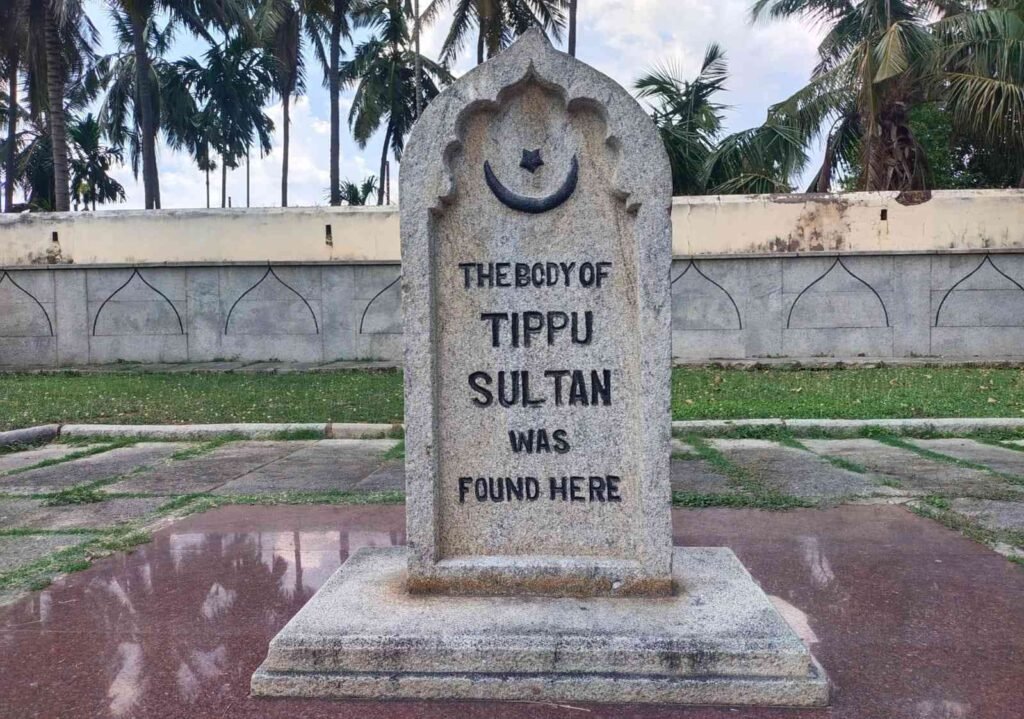
“My Fate Lies in My Sword”
However, Tipu Sultan didn’t know about this betrayal yet. He was busy preparing himself. Tipu consulted his astrologers, who warned that the next day would be bad for him.
The astrologer said, “Sultan, the stars are against you.” But Tipu laughed and said, “My fate lies in my sword, not in the stars.” He often said, “It is better to live like a lion for one day than to live like a jackal for a hundred years.”
May 4, 1799: The Tiger Falls
On May 4, 1799, in the afternoon, while his soldiers rested, 4,000 British soldiers stormed the fort. Tipu was eating at that time. As soon as he received the news of the attack, he immediately mounted his horse and headed to the location of the wall breach.
However, British soldiers had already entered the fort. Blood rivers flowed on the battlefield. Tipu fought at the forefront. His sword flashed in all directions, cutting down enemies.
The Final Moments
During this time, he received two bayonet wounds and a gunshot wound to his left shoulder. Blood gushed from his body. Yet his courage remained unshaken. His companions advised dropping his weapon. Tipu refused.
Even after being badly injured, he continued fighting the British army. Meanwhile, a British soldier shot him in the forehead from a distance. Tipu fell to the ground, but his sword didn’t leave his hand.
After moments, the Tiger of Mysore fell to the ground. Tipu Sultan was martyred defending his capital.
Aftermath
His sons were sent to Vellore Fort in exile. Mysore’s land was divided between the British and the Nizam. Tipu’s turban and sword were sent as gifts to Lord Cornwallis. The death of Tipu Sultan ended a huge resistance against the British in India.
In an era when many Indian rulers bowed before the British, Tipu Sultan was the only ruler who chose death before bowing. He didn’t bow his head until his last breath. For this reason, he’s still called a tiger in Indian history.
Legacy & Debate: Hero, Tyrant, or Both?
The Patriotic Hero Narrative
Tipu Sultan remains India’s most debated historical figure. One perspective views him as a patriotic hero who chose death over surrender to Britain. He was the last fort against British imperialism. His military innovations, especially Tipu Sultan rockets, influenced modern warfare.
His administrative reforms modernized Mysore. His diplomatic efforts sought international alliances against colonialism. His defiance inspired future freedom fighters.
The Religious Tyrant Narrative
The opposing view sees him as a religious fanatic. Forced conversions, temple demolitions, and church burnings in Kodagu and Malabar are well-documented since the 1760s. His Jihad rhetoric and sword inscriptions reveal religious motivations.
Some historians consider him politically unsuccessful. His policies estranged old allies—Marathas and Nizam—making them ally with the British. This left Mysore almost alone in the Third Mysore War.
Political Complexity
Tipu Sultan also rejected the Mughal Empire’s authority. He started having his name read in the Khutba (Friday sermon). Some say his nature and stubbornness isolated him. Supporters believe this resulted from British tricks.
The Modern Debate
Nowadays, an ongoing debate continues in India about Tipu Sultan. Some consider him a hero who chose death over British arms. Others call him a villain who perpetrated violence in justice’s name.
Ultimately, Tipu Sultan became a complex personality. On one hand, he was a brave warrior, visionary ruler, and the last fort against British imperialism. On the other hand, he was a king whose moral and religious views caused conflicts.
Conclusion: The Tiger’s Enduring Roar
Tipu Sultan, the Tiger of Mysore, remains one of history’s most fascinating and controversial figures. His military genius revolutionized warfare. Tipu Sultan rockets influenced modern military rocketry. Dr. A.P.J. Abdul Kalam acknowledged him as the world’s first real war rocket innovator.
His administrative reforms modernized Mysore’s economy, infrastructure, and trade. His diplomatic efforts sought international alliances against colonialism. His courage in refusing British submission inspired generations.
However, his religious policies created deep wounds. Forced conversions, temple destructions, and violent punishments against non-Muslims are historically documented. These actions cannot be ignored when evaluating his legacy.
History rarely offers simple heroes or villains. Tipu Sultan embodied both brilliance and brutality, vision and violence, patriotism and religious extremism. Understanding him requires acknowledging both sides without romanticizing either.
The death of Tipu Sultan on May 4, 1799, ended an era. Yet his legacy continues provoking debates, inspiring artworks, and challenging our understanding of historical complexity.
Where do you stand in the Tipu Sultan debate? Was he primarily a patriotic hero fighting colonialism or a religious tyrant? Share your perspective in the comments below.