Introduction
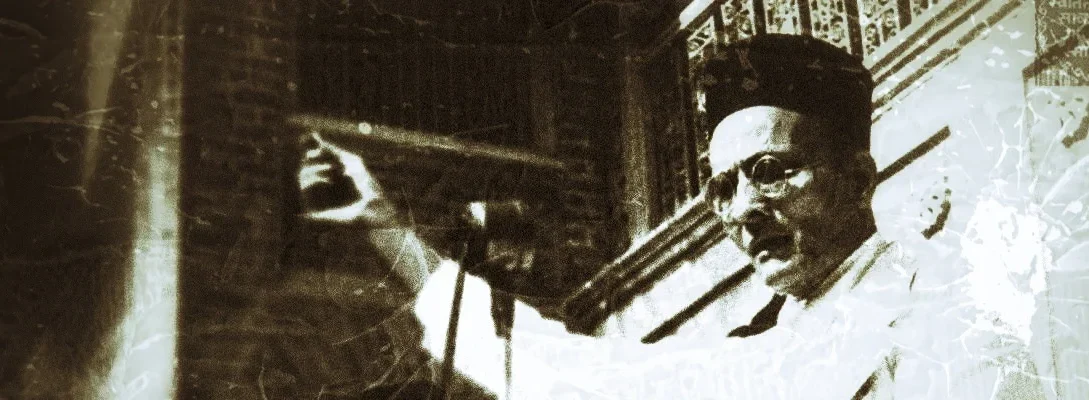
Veer Savarkar early life was marked by personal loss, strong family influences, and early exposure to nationalist ideals. Born as Vinayak Damodar Savarkar on May 28, 1883, in Bhagur, Nashik District, Maharashtra, his formative years laid the foundation for his later involvement in India’s independence movement.
Understanding the early life of Veer Savarkar provides insight into how a young boy from rural Maharashtra developed the convictions and organizational skills that would shape his role in anti-colonial activities.
Veer Savarkar Family Background
The Veer Savarkar family consisted of his father, Damodar Savarkar, described as a respected and simple patriot, and his mother, Radhe, known as a loving and caring figure. Vinayak was the second of four children in the family.
His father’s patriotic inclinations influenced the household environment, exposing young Vinayak to ideas about national pride and self-respect from an early age.
An important figure in Vinayak’s early life was his maternal grandfather, Mahadeva Panthi, who had no children of his own. Mahadeva Panthi became deeply attached to his grandson, admiring Vinayak’s intelligence, respectful behavior toward elders, and natural charm.
Veer Savarkar Childhood: Early Personality and Influences
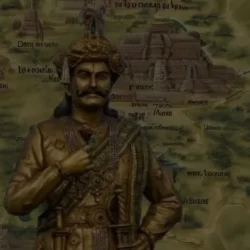
Veer Savarkar childhood was shaped by stories of historical figures, particularly Maratha warrior king Shivaji. These tales of bravery and resistance against foreign rule made a lasting impression on young Vinayak.
Within his family, Vinayak was affectionately called “Tatya.” From an early age, he displayed eloquence and deep thinking that impressed those around him. He was known for his wisdom and thoughtful approach—never agreeing to anything hastily and always reflecting deeply before making decisions.
Vinayak developed a strong sense of adventure and patriotism during his childhood. His natural leadership qualities and ability to express himself clearly became evident early on.
Personal Loss and Resilience
At the age of nine, Vinayak experienced a profound loss when his mother, Radhe, passed away. This tragedy left him inconsolable for several days.
Despite his deep grief, young Vinayak demonstrated remarkable resilience. He eventually recovered emotionally and continued his education with renewed determination.
This early experience with loss may have contributed to the mental strength and determination that characterized his later activities.
Educational Excellence and Early Writing
During his school years, Vinayak Damodar Savarkar excelled in speech and article writing competitions. He consistently won first prizes in these contests, demonstrating exceptional talent for communication.
His articles were filled with nationalistic themes that resonated with readers. His writing style was passionate and persuasive, capable of inspiring others to think about India’s political situation.
One documented example of his influence was poet Govinda Darekar, who, after reading Savarkar’s work, shifted his focus from writing conventional poetry to creating revolutionary songs.
This ability to influence others through writing became a defining characteristic of Savarkar’s early years and would continue throughout his life.
Formation of Early Youth Organizations
At just seventeen years old, Vinayak formed a secret organization called ‘Rashtra Bhakta Samuha’ (Group of Nation Devotees). He gathered like-minded youths together under the pretense of celebrating national days.
Through these gatherings, Savarkar worked to instill nationalism and patriotism among young people. He advocated for the idea that armed revolution might be necessary to free India from British rule.
Savarkar strategically used cultural and religious celebrations as platforms for nationalist messaging. He organized celebrations of Shivaji Jayanti (birthday of Shivaji) and Ganesha Utsav (Ganesha festival) to spread patriotic sentiments.
During the public Ganesha Utsav celebrations, he encouraged the singing of patriotic songs, using the religious festival as a cover for nationalist activities.
The Mitra Mela Youth Group
In his youth, Savarkar formed another organization called ‘Mitra Mela’ (Circle of Friends). This group began as a small circle but grew rapidly to include hundreds of members.
The core discussions within Mitra Mela focused on patriotism and Indian independence. Members debated political strategies and ways to resist British rule.
Not all members remained committed—some left the group due to other life priorities and distractions. However, Savarkar’s dedication to the group’s nationalist objectives remained unwavering throughout.
The Mitra Mela served as an important training ground for Savarkar’s organizational and leadership skills during his formative years.
Response to Queen Victoria’s Death (1901)
In 1901, when Queen Victoria died, widespread mourning was observed across British India. However, eighteen-year-old Savarkar took a defiant stance.
He publicly stated that Indians had no reason to mourn the death of a foreign queen. This position reflected his growing resentment toward British rule and his unwavering patriotic convictions.
This act of defiance, though seemingly small, demonstrated Savarkar’s willingness to publicly challenge British authority and colonial norms even as a teenager.
Marriage and Continued Focus on Nationalism
At the age of eighteen in 1901, Vinayak married Falguna (also known as Yamunabai in some sources). His marriage connected him to another family with reformist leanings.
His father-in-law, Bhaurao Chiplunkar, was an advocate for educational reforms in Maharashtra. Chiplunkar worked alongside prominent nationalist leaders like Lokmanya Tilak, further exposing Savarkar to independence movement networks.
Despite marriage and new family responsibilities, Savarkar continued to focus primarily on his nationalist goals. His commitment to Indian independence remained his central priority.
Revolutionary Songs and Growing Influence
Savarkar’s creative output included nationalist songs that became popular among youth. One notable composition was titled “Sinhagarh” (named after a historic Maratha fort).
These songs inspired countless young people to join the nationalist movement. The emotional appeal and patriotic themes made them effective tools for spreading anti-colonial sentiment.
British authorities recognized the influence of Savarkar’s songs and demonstrations, eventually banning them. However, rather than deterring him, these restrictions only strengthened his resolve.
Evolution into Abhinava Bharat Society
As Savarkar’s activities became more organized and his following grew, his youth groups evolved into a more formal revolutionary organization called ‘Abhinava Bharat Society’ (Young India Society).
Unlike his earlier groups that focused primarily on cultural nationalism and awareness-building, Abhinava Bharat Society aimed at gaining India’s independence through armed struggle.
This evolution marked a significant shift from Savarkar’s teenage activities to more serious revolutionary organizing. The society represented the culmination of his early organizational experiences.
The formation of Abhinava Bharat Society occurred during Savarkar’s late teenage years and early twenties, representing the transition from his formative period to active revolutionary involvement.
Key Influences on Vinayak Damodar Savarkar Early Life
Several factors shaped Vinayak Damodar Savarkar early life and his development as a nationalist:
Family Environment: His father’s patriotic leanings created a household where nationalist ideas were discussed openly.
Historical Heroes: Stories of Shivaji and Maratha resistance to Mughal rule provided heroic models of defiance against foreign rulers.
Early Loss: His mother’s death at age nine may have contributed to emotional resilience and determination.
Natural Abilities: His exceptional skills in public speaking and writing gave him tools to influence others effectively.
Educational Success: Consistent victories in competitions built confidence and provided platforms for his ideas.
Supportive Network: His father-in-law’s connections to leaders like Lokmanya Tilak exposed him to broader independence movement networks.
The Role of Maharashtra’s Political Climate
Savarkar grew up during a period of growing nationalist sentiment in Maharashtra. The region had a strong tradition of resistance, rooted in Maratha history.
Leaders like Lokmanya Tilak were already active in Maharashtra, creating an environment where nationalist organizing was more feasible than in some other parts of India.
The use of cultural festivals like Ganesha Utsav for political mobilization was a strategy pioneered by Tilak that Savarkar adopted and adapted for his own youth groups.
This regional context provided both inspiration and practical models for Savarkar’s early organizing efforts.
Conclusion: Foundation of a Revolutionary
The Veer Savarkar early years were characterized by personal loss, exceptional educational achievement, and progressive involvement in nationalist organizing. From winning speech competitions as a child to forming secret revolutionary organizations as a teenager, Savarkar’s formative period showed a consistent trajectory toward anti-colonial activism.
His family background provided a patriotic foundation, while historical figures like Shivaji offered heroic models. His natural eloquence and writing skills gave him practical tools for influence, and his organizational abilities allowed him to translate individual convictions into collective action.
By his late teens and early twenties, Savarkar had evolved from a talented student writing nationalist articles to an organizer leading youth groups with explicitly revolutionary aims. These early experiences—spanning roughly from his birth in 1883 to the formation of Abhinava Bharat Society in his early twenties—laid the groundwork for his subsequent role in India’s independence movement.
Understanding these formative years helps explain how a young man from Nashik district developed the skills, convictions, and networks that would define his later activities.